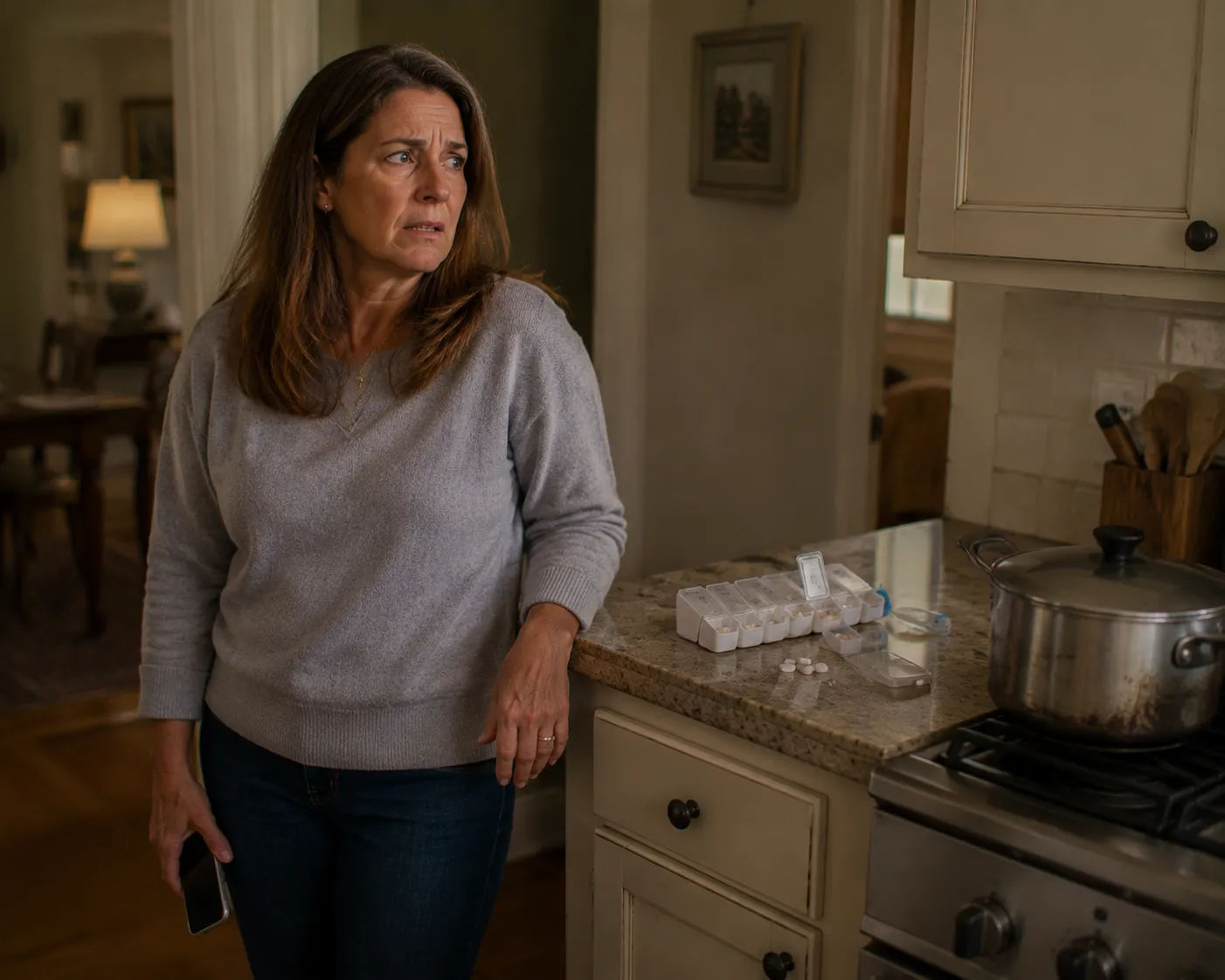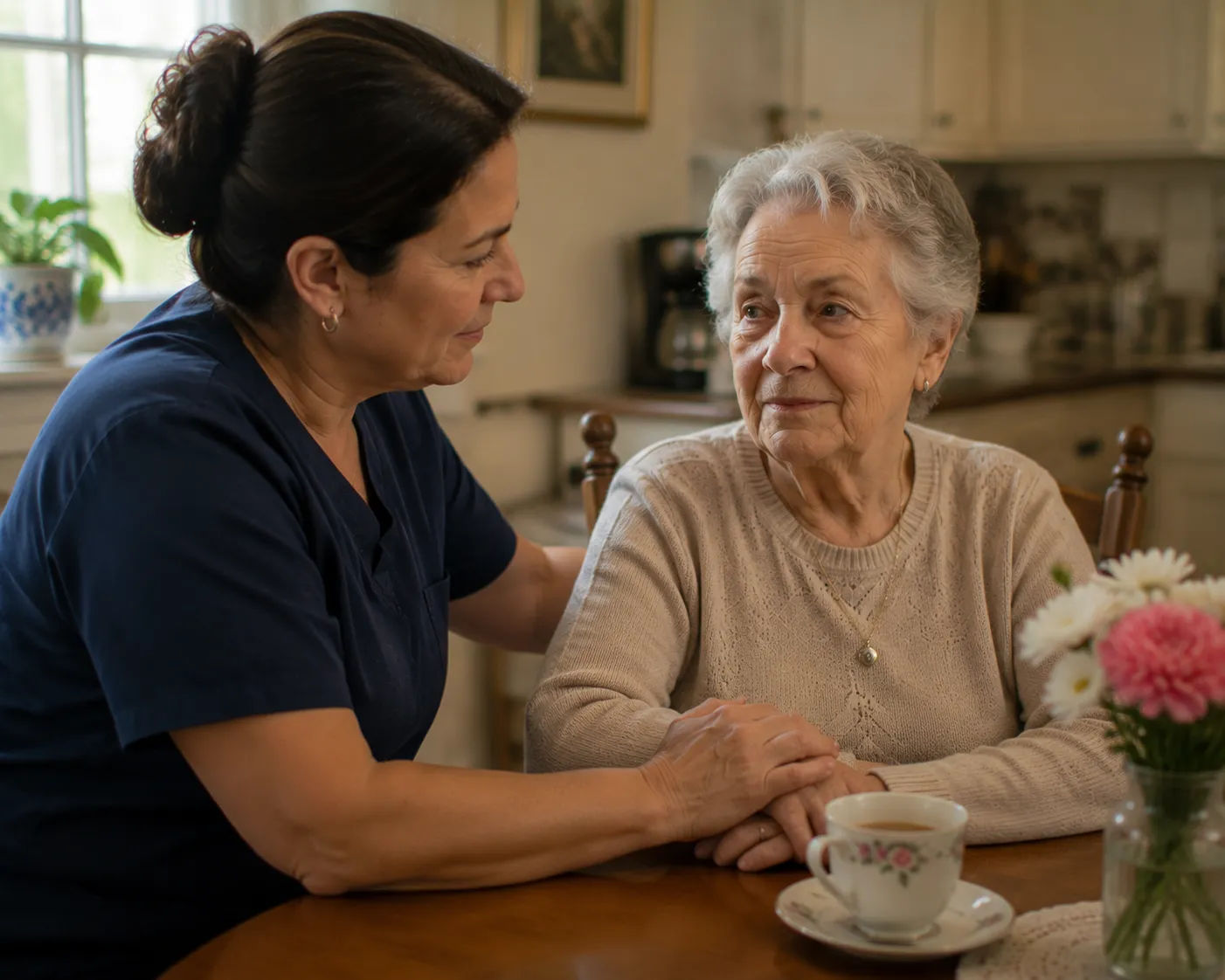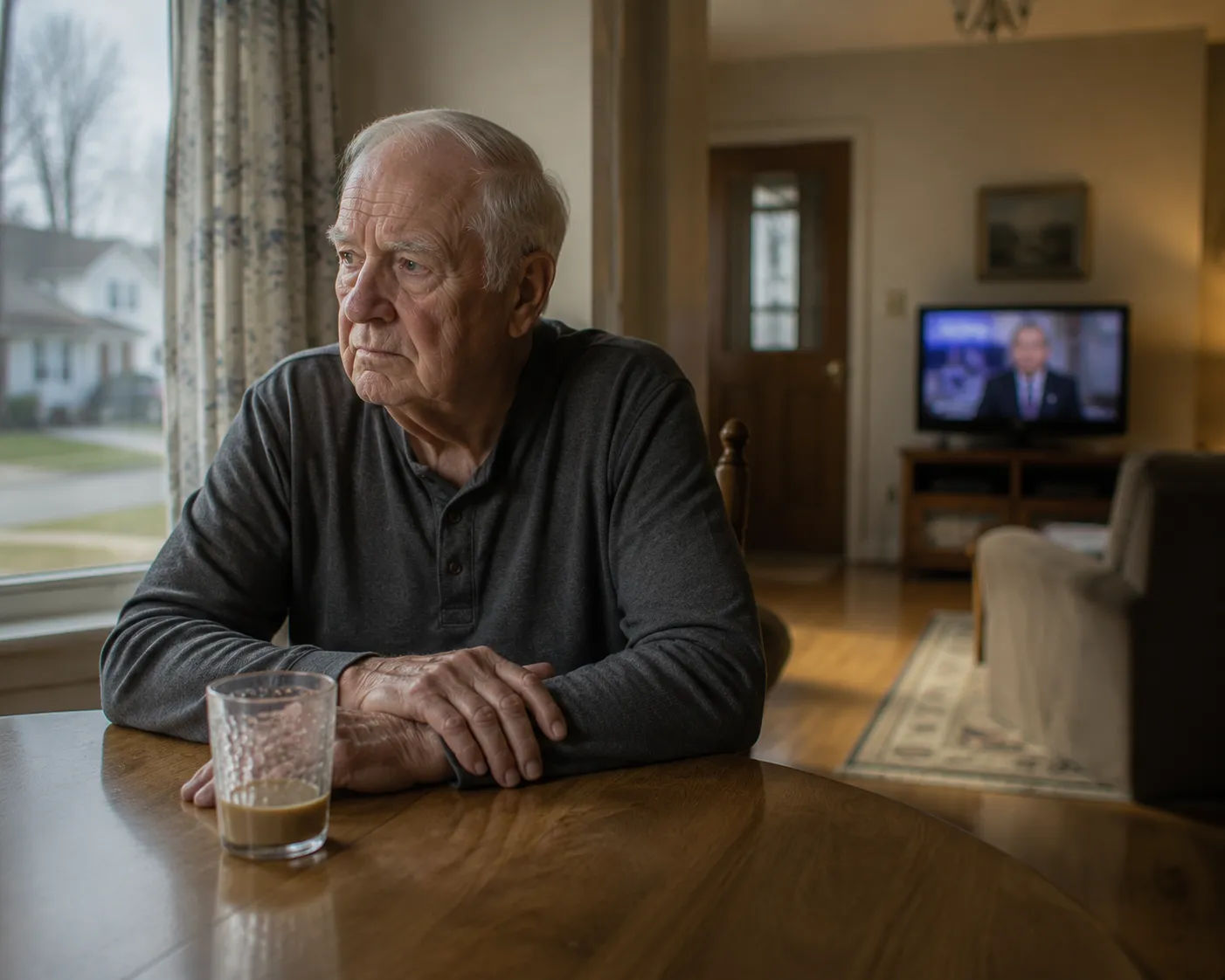

Finding meaning in old age doesn't happen automatically once retirement begins, and many families are surprised by how much a parent's sense of purpose can waver after decades of identity built around a career, raising children, or a daily routine that suddenly disappears. This guide looks at what research actually says about purpose in later life, and practical ways families can help support it.
Research consistently links a strong sense of purpose in older adults to lower rates of depression, reduced risk of heart disease, and slower cognitive decline. Yet the same research finds that retired older adults often report a lower sense of purpose than those still working — suggesting that purpose in later life often needs active building, not passive waiting.
Key Takeaways
- A sense of purpose is linked to real health outcomes — lower depression, reduced heart disease risk, and slower cognitive decline.
- Retirement itself can reduce a person's sense of purpose — the structure and identity work provides doesn't automatically transfer to new pursuits.
- Relationships are the strongest predictor of happiness in old age — stronger than income, health status, or any single activity.
- Purpose often needs to be actively rebuilt, not passively discovered — many retirees need active support finding new sources of meaning.
- Small, consistent engagement matters more than grand new pursuits — a regular hobby or volunteer commitment often outweighs an occasional big activity.
Why Purpose Often Fades After Retirement
For decades, many adults build identity and daily structure around work, raising children, or both. When those roles end — through retirement, an empty nest, or the loss of a spouse — the loss isn't just about free time; it's often a loss of the very things that gave days shape and meaning. This helps explain why research finds that retired older adults report lower sense of purpose than those still working, even though retirement is often eagerly anticipated.
Families sometimes assume a parent's low mood after retirement is simply an adjustment period that will resolve on its own. Sometimes it does. But for many older adults, rebuilding a genuine sense of purpose requires active effort and support, not just time.
Dee, Morning Star's founder: "I see this often with clients in their first year or two of retirement — a real sense of loss that catches families off guard, especially if the parent seemed excited about retiring. It's not that they made the wrong choice; it's that purpose doesn't automatically refill the space that work used to occupy."
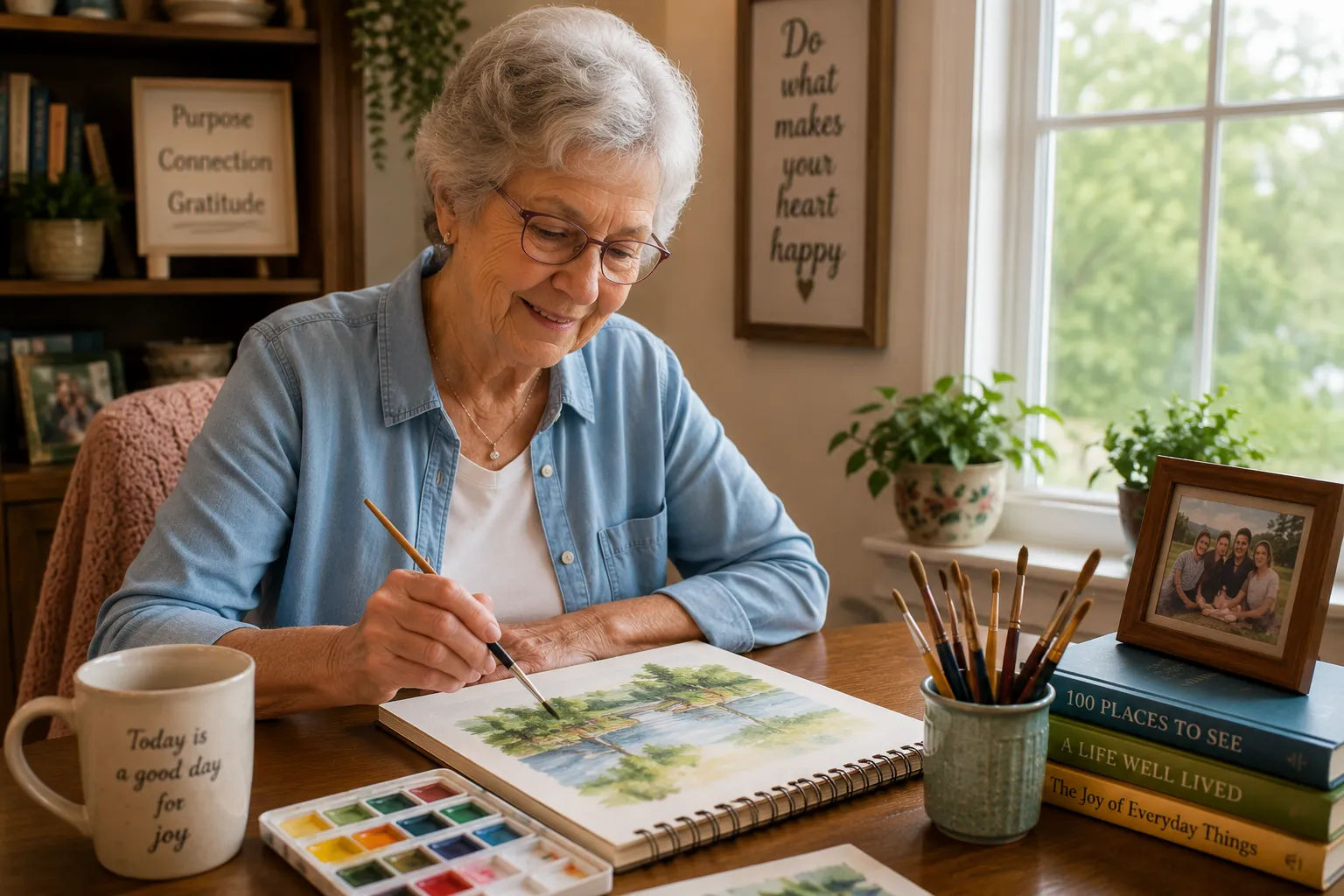
What the Research Says About Purpose and Health
Beyond emotional wellbeing, a documented sense of purpose in older adults correlates with measurably better physical health outcomes — lower rates of heart disease, reduced cognitive decline, and in some studies, longer lifespan. This isn't simply correlation with a generally healthier population; researchers have found the relationship holds even when controlling for existing health conditions.
This matters practically: helping a parent find genuine purpose isn't just about mood, it's a meaningful piece of overall health and longevity, worth taking as seriously as diet or physical activity.
Relationships: The Strongest Predictor of Happiness
Across decades of research on aging and wellbeing, one finding consistently rises above others: the quality of a person's relationships predicts happiness and health in old age more reliably than income, health status, or almost any other single factor. This has direct implications for families — investing in a parent's social connections may do more for their overall wellbeing than any single activity or hobby.
"After my mom retired, I assumed she'd naturally find things to fill her time. What actually helped most wasn't a hobby — it was reconnecting her with an old friend group she'd lost touch with during her working years. The activities came later, almost as a side effect of having people to do them with."
Practical Ways to Help a Parent Rebuild Purpose
| Area | Ideas |
|---|---|
| Skill-sharing and mentorship | Tutoring, mentoring younger family members or community members, teaching a skill |
| Volunteering | Local organizations, causes connected to their own life experience or values |
| Creative pursuits | Art, music, writing — activities engaging skills different from their working life |
| Physical engagement | Group exercise classes, walking groups, gardening |
| Learning something new | Community college courses, online classes, book clubs |
| Rebuilding social ties | Reconnecting with old friends, clubs, or senior center groups |
Volunteering as a Structured Source of Purpose
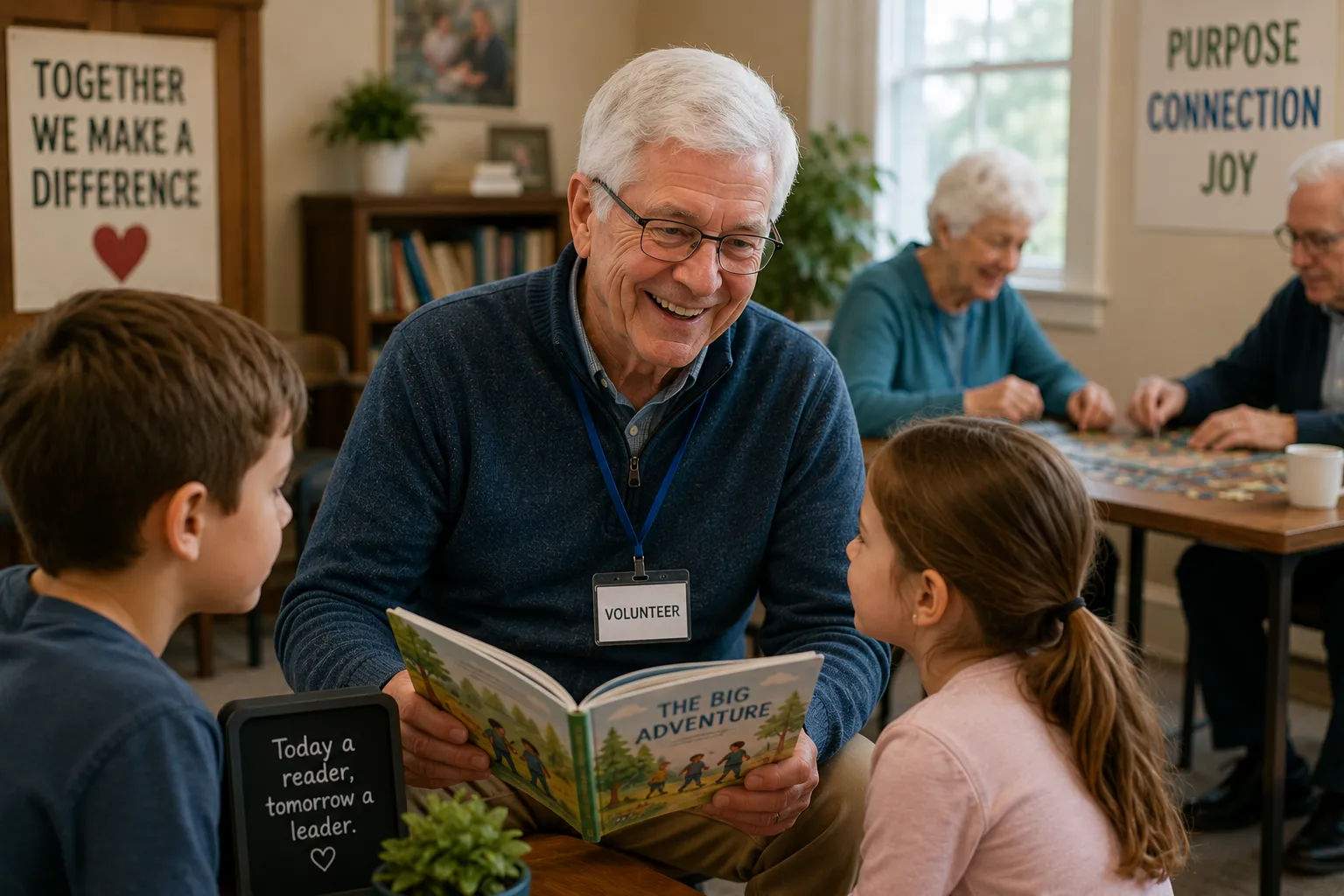
Volunteering offers many of the same benefits work once provided — structure, a sense of contribution, and social connection — without the demands of a career. Local organizations, faith communities, hospitals, schools, and animal shelters often have flexible volunteer opportunities that can match an older adult's specific skills, interests, and physical capacity.
The key is matching the commitment to genuine interest rather than obligation — a parent who volunteers somewhere meaningful to them personally tends to sustain the commitment far longer than one who takes on a generic opportunity out of a sense they "should" be doing something.
Passing On Knowledge and Skills
Many older adults find deep satisfaction in mentoring or teaching — whether that's a grandparent teaching a grandchild a skill, a retired professional mentoring someone starting in their former field, or simply sharing family history and stories. This kind of engagement taps into expertise built over a lifetime and gives it continued value and audience.
When Loss of Purpose Looks Like Depression
It's worth distinguishing between a normal adjustment period and something more serious. Persistent sadness, loss of interest in previously enjoyed activities, changes in sleep or appetite, or withdrawal from family and friends lasting more than a few weeks may indicate depression rather than a temporary adjustment, and deserves attention from a physician rather than being dismissed as "just getting older."
Call the doctor now if: your parent shows signs of persistent low mood, hopelessness, or withdrawal lasting more than two weeks — these are worth raising with their physician rather than assuming they'll pass on their own.
How In-Home Care Supports a Parent's Sense of Purpose
Beyond physical assistance, a good caregiver relationship can meaningfully support a parent's sense of purpose and connection — engaging in conversation, encouraging participation in hobbies and activities, and providing the kind of consistent social contact that research links to better wellbeing in later life. For isolated parents, especially those living alone, a companion caregiver can become a genuine source of the social connection research identifies as so important.
Dee, Morning Star's founder: "The caregivers I work with aren't just there for tasks — they often become a genuine source of connection and encouragement for clients to stay engaged with hobbies, friends, and interests. That relationship matters as much as any specific service we provide."
Reflection and Life Review
Psychologists have long studied the value of life review — deliberately reflecting on and making sense of one's own life story — as a source of meaning in later years. This isn't the same as dwelling on regrets; done well, it's a process of integrating a lifetime of experiences into a coherent, valued narrative, which research links to greater life satisfaction and reduced anxiety about mortality. Journaling, recording an oral history, or simply having regular, unhurried conversations with family about life experiences can support this process.
Creative Expression as a Source of Meaning
Art, music, writing, and other creative pursuits offer older adults a way to process experience and express identity that doesn't depend on physical capability or prior expertise. Community art classes, writing groups, and music programs designed for seniors have grown significantly, recognizing that creative engagement supports both cognitive health and a sense of purpose. It's worth encouraging a parent to try creative activities without pressure around skill or outcome — the value lies in the engagement and expression itself.
The Role of Physical Activity in Sustaining Purpose
Physical activity supports purpose indirectly but significantly — group exercise classes, walking clubs, and recreational sports provide both the health benefits of movement and the social structure that contributes to overall wellbeing. For older adults, group-based physical activity tends to sustain long-term participation better than solitary exercise.
"My dad joined a senior walking group at the local community center mostly for the exercise, but what's kept him going for three years now is the group of guys he walks with every morning. The exercise became almost secondary to the friendship."
Supporting a Parent Without Taking Over the Search for Purpose
Families sometimes overcorrect by trying to solve a parent's sense of purposelessness directly — signing them up for activities, filling their calendar, pushing specific hobbies. This can backfire, since genuine purpose tends to come from a person's own engagement and choice, not an activity imposed by someone else. A more effective role for family is gentle encouragement and practical support while letting the parent lead the search for what feels meaningful.
A Real Family Scenario
When Karen's father Walt retired from decades running his own business, he struggled visibly for the first year — restless, irritable, and clearly missing the structure and sense of contribution his work had given him. What eventually helped wasn't a single big change, but a combination of smaller ones: mentoring a young business owner, joining a weekly card game, and volunteering at his church's food pantry.
Grandchildren and Intergenerational Purpose
Relationships with grandchildren offer a distinct and powerful source of meaning for older adults — a sense of legacy, continuity, and being needed in a different way. Regular, structured involvement tends to sustain this source of meaning better than occasional, unpredictable contact.
Purpose Looks Different for Every Person
It's worth resisting the idea that there's one "correct" model of purposeful aging — a highly social, activity-filled retirement isn't right for everyone, and some older adults find deep meaning in quieter pursuits: reading, prayer or meditation, gardening, or simply enjoying a slower pace.
Dee, Morning Star's founder: "Some of my most content clients aren't the busiest ones. I have clients who find real peace in a quiet daily routine — tending a garden, reading, a simple phone call with a friend. Purpose doesn't have to look impressive from the outside to be genuine."
Connecticut Resources
- North Central Area Agency on Aging — senior programs and volunteer opportunities
- 211 Connecticut — statewide resource and referral line
A Note on Loss and Meaning
For many older adults, later life also brings significant losses — a spouse, close friends, physical capabilities. Finding meaning in old age doesn't mean pretending these losses don't matter. Some of the deepest sources of purpose in later life emerge alongside grief, not instead of it.
A Final Thought
Finding meaning in old age isn't a one-time discovery — it's an ongoing, active process. Relationships, contribution, and continued engagement matter more than any single activity, and families who help a parent build these back are supporting something with real, measurable impact on health and happiness.
References
- PMC — Older Adults Place Greater Importance on a Purposeful Retirement
- PMC — Purpose Promotes Mental Health for Retirees
- McKinsey Health Institute — Aging With Purpose: Why Meaningful Engagement Matters
This article is for general information and isn't a substitute for medical, legal, or financial advice. If you're concerned about a specific issue, talk to your parent's doctor or an elder law attorney.
Written by
Morning Star Care Team
Morning Star Home Care — Caregiver-Founded and Locally Owned in Bristol, CT.