
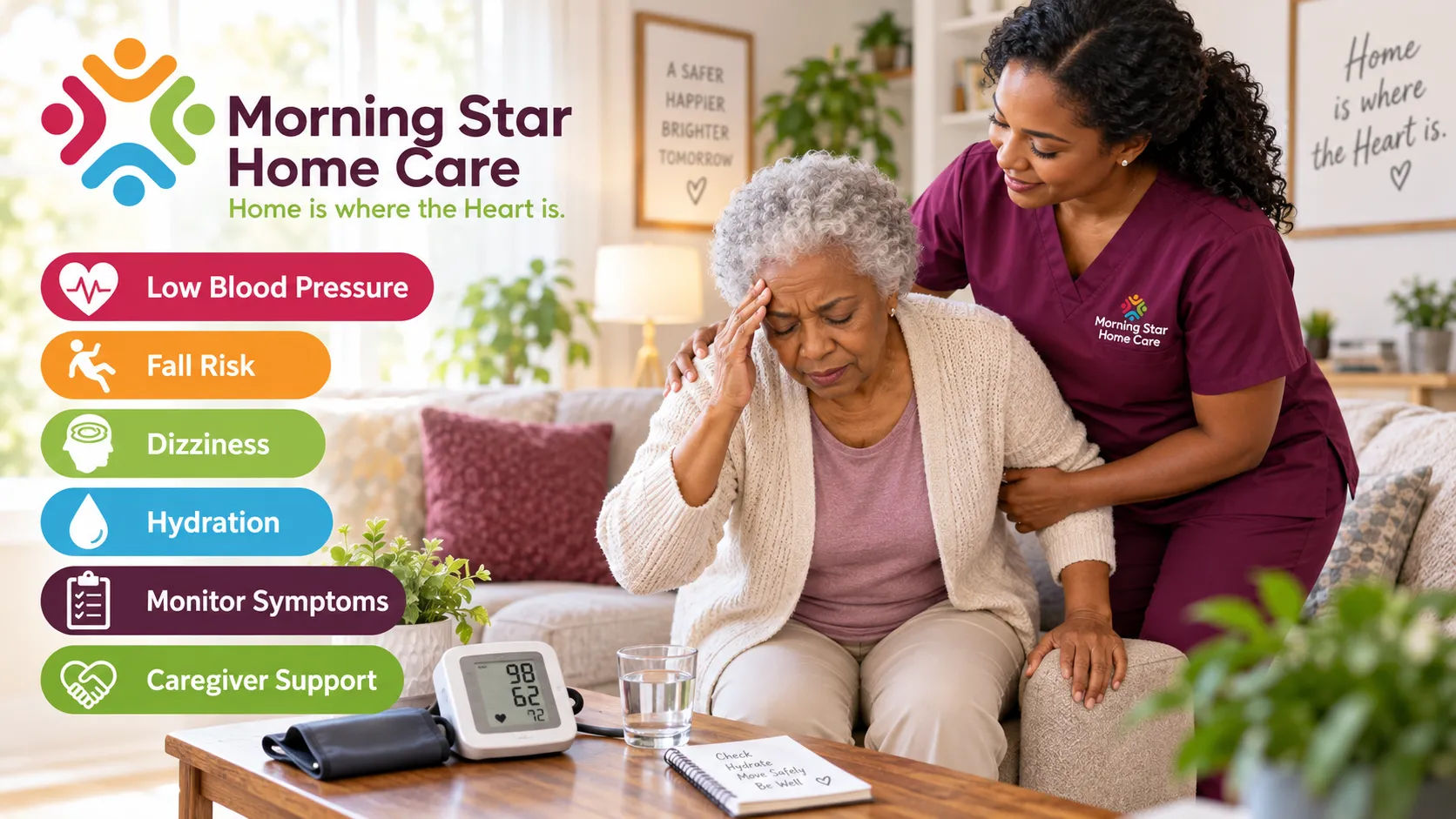
Low blood pressure in elderly parents deserves far more attention than it typically receives, particularly in its most common clinical form: orthostatic hypotension, a drop in blood pressure upon standing. Prevalence reaches roughly 10% of adults over 60, climbing to 30% of those over 65, and up to 65% among institutionalized older adults. Understanding low blood pressure in elderly patients matters enormously because it's a significant, often overlooked contributor to falls, one of the most serious safety risks facing older adults.
This guide covers what orthostatic hypotension actually is, why it's such a significant fall risk, and practical strategies that genuinely help.
Key Takeaways
- Orthostatic hypotension affects roughly 10% of adults over 60, rising to 30% over 65, and up to 65% of institutionalized older adults.
- Orthostatic hypotension is linked to a 52% increased odds of frequent falls, making it a significant, modifiable fall-risk factor.
- Roughly 1 in 3 adults over 65 falls annually, and low blood pressure is an often-overlooked contributor worth screening for specifically.
- Simple standing blood pressure checks can identify orthostatic hypotension, yet this screening is often skipped during routine visits.
- Practical strategies like standing up slowly and staying hydrated meaningfully reduce symptoms and fall risk.
Understanding low blood pressure in elderly parents as a genuine, screenable fall-risk factor helps families advocate for the kind of proactive evaluation that's easy to overlook.
What Orthostatic Hypotension Actually Is
Orthostatic hypotension is the most clinically significant form of low blood pressure in elderly patients, and understanding what it involves helps families recognize it.
- It's defined as a significant blood pressure drop when moving from lying or sitting to standing, typically measured within the first few minutes.
- Common symptoms include dizziness, lightheadedness, or momentary blurred vision immediately after standing.
- Some older adults experience no noticeable symptoms at all, despite meeting the clinical definition, making screening important even without symptoms.
- The body's blood pressure regulation becomes less efficient with age, explaining why orthostatic hypotension becomes more common in older populations.
Recognizing that orthostatic hypotension can be silent, without obvious symptoms, is part of why proactive screening matters more than waiting for a parent to report dizziness.
Why Low Blood Pressure Is a Serious Fall Risk
The connection between low blood pressure and falls is well-documented in research and deserves genuine attention from families concerned about a parent's safety.
- Orthostatic hypotension is associated with a 52% increased odds of frequent falls, a substantial and clinically significant increase in risk.
- The dizziness and lightheadedness it causes can lead directly to a fall, particularly during the vulnerable moment right after standing.
- Delayed blood pressure recovery after standing has been specifically linked to fall risk in recent research, distinguishing those prone to falls from those who aren't.
- Falls among older adults carry serious consequences, making this fall-risk factor genuinely worth identifying and addressing.
Dee, Morning Star's founder: "Orthostatic hypotension is one of those fall-risk factors that's easy to miss because it's not always obviously symptomatic, but a simple standing blood pressure check can catch it."
Given how significantly this condition increases fall risk, screening for it deserves the same priority as other well-recognized fall-prevention measures.
Postprandial Hypotension: A Related but Distinct Pattern
Beyond orthostatic hypotension, older adults can also experience postprandial hypotension, a blood pressure drop after eating, worth understanding as a related but distinct pattern.
- Blood flow redirects toward the digestive system after eating, which can cause a meaningful blood pressure drop in some older adults.
- Symptoms typically occur 30 to 75 minutes after a meal, including dizziness or lightheadedness similar to orthostatic hypotension.
- Smaller, more frequent meals rather than large meals can help reduce postprandial blood pressure drops.
- Avoiding standing quickly after eating is a simple, practical precaution for those prone to this pattern.
Recognizing postprandial hypotension as a distinct but related pattern helps families understand why dizziness might specifically follow meals, prompting a more targeted conversation with a doctor.
Common Causes of Low Blood Pressure in Older Adults
Several factors specific to aging and common health management contribute to low blood pressure and orthostatic hypotension in elderly patients.
- Certain blood pressure medications, when overly aggressive for a person's current needs, can cause blood pressure to drop too low, particularly upon standing.
- Dehydration reduces blood volume, making blood pressure drops upon standing more likely and more pronounced.
- Prolonged bed rest or inactivity can worsen the body's ability to regulate blood pressure changes.
- Certain neurological conditions can impair the automatic nervous system responses that normally prevent blood pressure drops upon standing.
Identifying which of these factors might be contributing to a specific parent's low blood pressure helps target the most appropriate management approach.
The Balance Between Low and High Blood Pressure Management
A genuine clinical challenge in managing older adults is balancing the treatment of high blood pressure, itself an important cardiovascular risk factor, against the fall risk that overly aggressive treatment can create through orthostatic hypotension.
- Blood pressure targets for older adults increasingly account for frailty and fall risk, not just cardiovascular risk reduction alone.
- A doctor may intentionally allow somewhat higher blood pressure targets for a frail older adult to reduce orthostatic hypotension risk.
- This individualized approach reflects broader trends in geriatric medicine toward balancing multiple risks rather than optimizing a single number in isolation.
Understanding this balance helps families recognize that a doctor's blood pressure target for an elderly parent may reasonably differ from general population guidelines, and that's not necessarily undertreatment.
Screening: Why It's Worth Asking About
Despite being simple and quick, standing blood pressure screening for orthostatic hypotension is often skipped during routine medical visits, making it worth requesting directly.
- The screening involves measuring blood pressure lying or sitting, then again after standing, at set time intervals.
- It takes only a few minutes and requires no special equipment beyond a standard blood pressure cuff.
- This screening is a recognized part of comprehensive fall-risk assessment, though audits have found it's frequently omitted in practice.
- Asking a doctor directly to check standing blood pressure, particularly for a parent with any fall history or dizziness, is a reasonable and simple request.
Given how quick and non-invasive this screening is, and how significant the fall-risk implications are, it's worth ensuring it happens rather than assuming it's automatically included.
Families can also request this screening specifically after any fall, hospitalization, or new medication that might affect blood pressure, times when the risk of orthostatic hypotension may be elevated.
Practical Strategies That Help
Several practical, low-risk strategies meaningfully reduce symptoms and fall risk associated with orthostatic hypotension.
- Standing up slowly, pausing briefly while sitting on the edge of a bed or chair before fully standing, gives the body time to adjust.
- Staying well hydrated supports adequate blood volume, directly reducing the severity of blood pressure drops.
- Reviewing blood pressure medications with a doctor can identify whether dosing adjustments might reduce excessive drops upon standing.
- Compression stockings can help some individuals by supporting blood flow back toward the heart.
These simple, practical strategies, combined with appropriate medical evaluation, meaningfully reduce the real fall risk that low blood pressure can create.
When Low Blood Pressure Signals Something More Serious
While often benign and manageable, low blood pressure can occasionally signal a more serious underlying issue that requires prompt medical attention.
- Sudden, severe low blood pressure accompanied by confusion, chest pain, or fainting warrants emergency evaluation.
- Low blood pressure alongside signs of dehydration, like reduced urination or extreme thirst may indicate a need for prompt medical attention.
- New-onset severe symptoms in someone without a prior history of low blood pressure deserve more urgent evaluation than a gradual, longstanding pattern.
Call the doctor now if: If a parent experiences fainting, chest pain, or severe confusion alongside low blood pressure symptoms, seek emergency medical care rather than assuming it's simply orthostatic hypotension.
Distinguishing typical, manageable orthostatic hypotension from these more urgent presentations helps families respond with appropriate urgency in each situation.
A Real Family Scenario
Ruth had experienced occasional dizziness upon standing for months, attributing it to simply moving too fast, until her daughter Karen requested a standing blood pressure check during a routine appointment. The evaluation confirmed orthostatic hypotension, and a combination of a medication adjustment and standing up more slowly essentially eliminated the dizziness, along with Karen's underlying worry about her mother's fall risk.
Ruth's situation illustrates how easily orthostatic hypotension gets attributed to something minor, when it's actually a well-documented, addressable fall-risk factor worth genuine evaluation.
Karen later reflected that requesting the specific standing blood pressure check, rather than just mentioning dizziness generally, was what made the difference in getting an actual diagnosis.
How an In-Home Caregiver Supports Blood Pressure Safety
A consistent in-home caregiver can meaningfully support safety for elderly parents managing low blood pressure, including encouraging the slow-standing technique, supporting adequate hydration throughout the day, and staying nearby during transitions from sitting or lying to standing when dizziness risk is highest.
"Having someone remind Mom to pause before standing up, especially first thing in the morning, made a real difference in preventing the dizzy spells that used to worry me."
This kind of consistent, practical support directly addresses the moments of highest fall risk associated with orthostatic hypotension, providing genuine safety benefit.
Caregivers can also help track when and how often dizziness episodes occur, valuable information for a doctor fine-tuning medication or management strategies.
A Final Thought
Low blood pressure in elderly parents, particularly orthostatic hypotension, deserves recognition as a genuine, well-documented fall-risk factor rather than a minor inconvenience. Proactive screening and practical management strategies meaningfully reduce this risk, making it worth genuine attention from families and doctors alike.
Requesting a standing blood pressure check for a parent, particularly one with any history of dizziness or falls, is a simple step that can reveal an important, addressable safety factor.
Given how directly this connects to fall prevention, a well-recognized priority in senior safety, addressing low blood pressure deserves the same level of attention families give to other fall-risk factors.
A Note for Connecticut Families
Primary care physicians throughout the Bristol and Greater Hartford area can perform standing blood pressure screening during routine visits, worth requesting specifically if it hasn't been part of a parent's recent checkup.
Home care providers familiar with the region can support the daily practices, like slow standing and consistent hydration, that meaningfully reduce fall risk associated with low blood pressure.
Fall-prevention clinics affiliated with several hospital systems in the Greater Hartford area can provide comprehensive assessment, including orthostatic hypotension screening, for older adults with fall concerns.
References
- PMC — Beat-to-Beat Blood Pressure Monitoring and Orthostatic Hypotension-Related Falls in Two Cohorts of Older Adults
- StatPearls — Orthostatic Hypotension
- PMC — Improving Orthostatic Hypotension Screening in Fall Prevention: A Two-Cycle Audit
Written by
Morning Star Care Team
Morning Star Home Care — Caregiver-Founded and Locally Owned in Bristol, CT.