
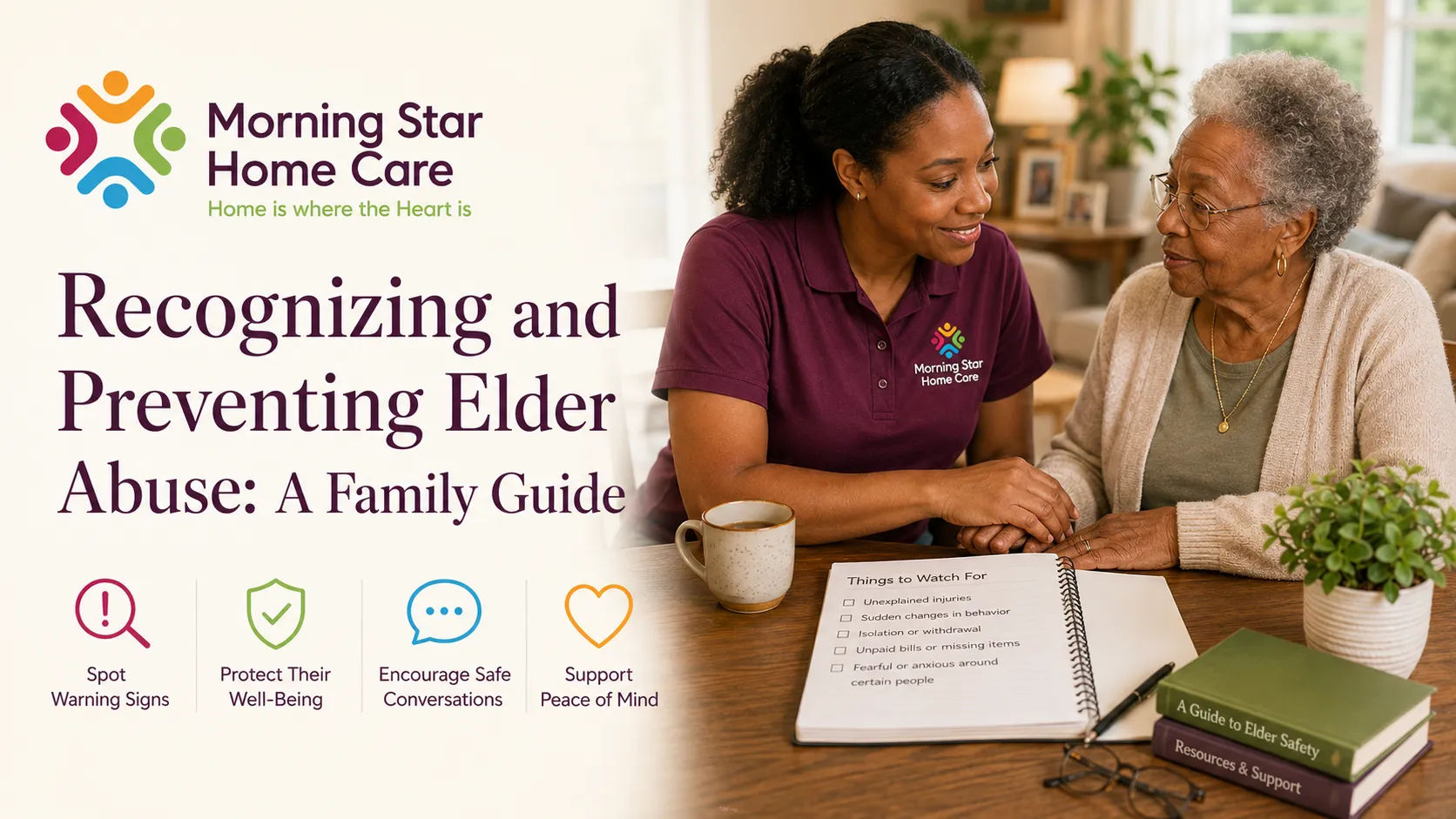
Preventing elder abuse starts with understanding just how common and how underreported it actually is. About 1 in 6 Americans age 60 and older experience some form of elder abuse, yet only 1 in 24 cases is ever reported to authorities, according to the National Council on Aging. As many as 5 million older Americans experience abuse every year, a number that includes psychological, physical, financial, and other forms of mistreatment, often happening at the hands of someone the older adult knows and trusts, not a stranger.
Preventing elder abuse isn't primarily about identifying obvious, dramatic cases, most real situations are quieter and more ambiguous than that. It's about understanding risk factors, recognizing early warning signs, and building the kind of ongoing family involvement that makes abuse, neglect, or exploitation far harder to hide.
Key Takeaways
- 1 in 6 older adults experience elder abuse, but only 1 in 24 cases is ever reported.
- Psychological abuse is the most common type (33.4%), followed by physical abuse, financial exploitation, and neglect.
- Social isolation is one of the biggest risk factors — regular contact from family and friends is genuinely protective.
- Older caregivers themselves are at elevated risk, 60% more likely to experience emotional abuse and 70% more likely to experience financial abuse.
- Most abuse is committed by someone known and trusted, a family member, caregiver, or friend, not a stranger.
Understanding the Different Types of Elder Abuse
Elder abuse isn't a single, uniform category — it spans several distinct forms, each with different warning signs and different prevention strategies.
- Psychological or emotional abuse (33.4% of reported cases) — verbal threats, intimidation, humiliation, or isolating someone from family and friends.
- Physical abuse (14.1%) — hitting, restraining, rough handling, or any use of physical force that causes pain, injury, or impairment.
- Financial exploitation (13.8%) — misusing an older adult's money, property, or assets, whether through outright theft, coercion, or manipulation.
- Neglect (11.6%) — failing to provide necessary care, including food, medication, hygiene, or a safe living environment, whether intentional or from caregiver burnout.
- Sexual abuse (1.9%) — any non-consensual sexual contact, including with someone unable to give informed consent due to cognitive impairment.
Who Is Most at Risk
While elder abuse can happen to anyone, certain factors meaningfully increase risk, and understanding them helps families know where to focus prevention efforts.
Dee, Morning Star's founder: "Isolation is the single biggest factor I see. When an older adult doesn't have regular contact with people outside one caregiver or one relationship, there's no one to notice if something's wrong, and no one for them to tell even if they wanted to."
- Social isolation and loneliness reduce the number of people who might notice warning signs or to whom the older adult could disclose abuse.
- Cognitive impairment, including dementia, increases vulnerability to manipulation and reduces the person's ability to recognize or report mistreatment.
- Physical dependence on a caregiver for daily activities can create power imbalances that make it harder for an older adult to speak up or leave a harmful situation.
- Caregiver burnout or substance abuse in the person providing care raises the risk of neglect or abuse, even when the caregiver didn't intend harm.
- Previous history of family conflict or dependency, including a caregiver who is financially dependent on the older adult, can create resentment or opportunity for exploitation.
Recognizing the specific risk factors that apply to a particular family situation, rather than treating elder abuse prevention as a generic checklist, tends to produce more effective, targeted vigilance.
Warning Signs Families Should Watch For
Because most elder abuse happens behind closed doors, recognizing the signs, rather than waiting for a disclosure, is often how families first catch a problem.
- Unexplained injuries — bruises, cuts, or fractures with vague or inconsistent explanations, especially in unusual locations like the upper arms.
- Sudden changes in mood or personality — withdrawal, fearfulness, or anxiety, particularly around a specific caregiver or family member.
- Signs of neglect — poor hygiene, weight loss, unsanitary living conditions, or missed medical appointments and medications.
- Financial irregularities — unexplained withdrawals, changes to a will or power of attorney, or a caregiver who is unusually controlling about the older adult's money.
- Isolation from other family and friends — a caregiver who limits visits, screens phone calls, or is always present during conversations with the older adult.
How Families Can Actively Prevent Elder Abuse
Preventing elder abuse works best as an ongoing practice, not a one-time conversation, since risk factors and caregiving situations change over time.
- Maintain regular, varied contact — multiple family members and friends checking in independently, not just one person, makes isolation and concealment much harder.
- Ask to see the older adult alone sometimes during visits, giving them a private opportunity to raise concerns without a caregiver present.
- Stay involved in financial oversight, including reviewing bank statements periodically or setting up a trusted contact on financial accounts.
- Support caregivers to prevent burnout-driven neglect — respite care, support groups, and honest check-ins about caregiver stress reduce a real risk factor.
- Vet any paid caregiver thoroughly, including background checks, references, and licensing verification for any home care agency or individual hire.
Legal Tools That Support Prevention
A few legal structures, set up proactively while an older adult still has full decision-making capacity, add meaningful protection against exploitation and abuse down the line.
- Durable power of attorney designates a trusted person to manage finances if the older adult becomes unable to, ideally chosen and documented well before it's needed, reducing the chance of a rushed or contested decision later.
- Healthcare proxy or medical power of attorney designates someone to make medical decisions if the person can't, which protects against a scenario where an unqualified or ill-intentioned person steps into that role by default.
- Regular will and estate plan reviews with an elder law attorney help catch and correct any changes made under pressure or during a period of diminished capacity.
- A trusted contact designation on financial accounts allows a bank to alert a family member of suspicious activity without giving that person direct account access, a lighter-weight protection than full power of attorney.
When and How to Report Suspected Elder Abuse
Reporting suspected elder abuse can feel like a significant step, especially when the suspected abuser is a family member, but it's worth remembering that Adult Protective Services investigates to assess and address a situation, not to automatically remove someone from their home or family.
Call the doctor now if: If an older adult is in immediate physical danger, call 911. For non-emergency suspected abuse, neglect, or exploitation, contact Adult Protective Services in your state, or call the Eldercare Locator at 1-800-677-1116 for help finding the right local resource.
- Adult Protective Services (APS) investigates reports of abuse, neglect, and exploitation of older adults and can connect families with resources and interventions.
- The National Elder Fraud Hotline (1-833-FRAUD-11) specifically handles financial exploitation cases.
- Reports can typically be made anonymously, which sometimes eases the hesitation families feel about reporting a suspected family member.
Elder Abuse in Long-Term Care and Facility Settings
While this guide focuses primarily on in-home situations, it's worth noting that elder abuse and neglect also occur in nursing homes, assisted living facilities, and other institutional settings, sometimes at even higher rates than in family caregiving situations due to understaffing and inadequate oversight. Families with a loved one in a facility should apply the same principles covered here, regular varied visits, private conversations, financial oversight, watching for warning signs, and should know that facilities are subject to state inspection and complaint processes separate from Adult Protective Services.
Elder Abuse Within Family Caregiving Relationships
A meaningful share of elder abuse and neglect cases don't involve malicious intent at all, they stem from an overwhelmed, under-supported family caregiver reaching a breaking point. This doesn't excuse neglect or abuse, but understanding the pathway matters for prevention: supporting caregivers before burnout sets in is itself a form of elder abuse prevention. Respite care, caregiver support groups, and honest conversations about needing help reduce this specific risk pathway meaningfully.
"There were weeks caring for Dad alone that I felt stretched so thin I worried about my own patience. Getting a few hours of respite care each week, and just talking to another caregiver who understood, made a real difference in how I showed up for him."
Financial Exploitation: A Closer Look
Financial exploitation deserves particular attention within elder abuse prevention because it's both common and frequently invisible until significant damage has occurred. Unlike physical abuse, which may leave visible signs, financial exploitation can proceed for months or years through gradual, seemingly small transactions, a caregiver 'borrowing' money repeatedly, unauthorized use of a credit card, pressure to change a will or add someone as a beneficiary, without any single event alarming enough to prompt intervention. Regular review of bank and credit statements by a trusted family member, even just a quarterly glance, catches patterns that would otherwise go unnoticed until an account is significantly depleted.
Elder Abuse in Paid Caregiving Relationships
When a family brings in outside help, whether an individually hired caregiver or an agency, vetting matters enormously for prevention. A reputable home care agency conducts background checks, verifies references, provides ongoing training and supervision, and has clear protocols for reporting concerns, protections that are much harder to guarantee with an informally hired individual caregiver. Asking direct questions about an agency's screening and supervision practices before hiring is a reasonable and important part of prevention.
Dee, Morning Star's founder: "Families should feel comfortable asking us directly about our background check process, our training, and how we supervise caregivers in the field. A trustworthy agency will answer those questions openly, not get defensive about them."
Talking to an Older Adult About Abuse Without It Feeling Accusatory
Bringing up the topic of elder abuse, even in a general, preventive way, can feel awkward or even offensive if it's not framed carefully, especially since it can imply suspicion of a specific person the older adult may care about. Framing the conversation around general safety and well-being, similar to discussing scam prevention, tends to open the door without putting anyone on the defensive.
"I never said the word 'abuse' directly with Dad at first. I just started asking more open questions, how are things going with your caregiver, do you feel like you have enough privacy, is there anything about your routine you'd change. It gave him room to bring something up if he needed to, without me leading with an accusation."
It also helps to revisit these conversations periodically rather than treating a single check-in as sufficient, since a situation that seemed fine at one point can change, particularly as a caregiving relationship evolves or an older adult's dependence increases.
The Difference Between Isolation and Reasonable Privacy
Families sometimes worry that raising concerns about isolation will come across as intrusive, especially when an older adult has always valued independence and privacy. There's a meaningful distinction worth keeping in mind: reasonable privacy is the older adult's own choice about how much contact they want, while concerning isolation is imposed or engineered by someone else, a caregiver limiting calls, discouraging visits, or being present for every conversation. Respecting the first while staying alert to the second is the balance most families are actually trying to strike.
A Real Family Scenario
Karen noticed her father Walt seemed unusually withdrawn during visits and had started declining to see anyone without his part-time caregiver present. Something felt off, but she second-guessed herself, worried she was overreacting. She started asking for a few minutes alone with him during each visit, and eventually he mentioned feeling controlled and criticized when he tried to spend money on things he wanted. It wasn't physical abuse, but it was a pattern of financial and emotional control worth addressing. Karen worked with a home care agency instead, one with clear oversight and multiple caregivers rotating through, which reduced the isolation that had made the earlier situation possible.
Dee, Morning Star's founder: "We tell families upfront that they are always welcome to ask questions, review our documentation, or speak with a supervisor at any time. Transparency isn't an inconvenience for a caregiver relationship that's actually working the way it should be, it's the foundation of it."
How a Professional, Well-Screened Caregiver Reduces Elder Abuse Risk
A properly vetted, supervised in-home caregiver actually reduces elder abuse risk in multiple ways: consistent oversight from an agency, rather than an unsupervised individual arrangement, regular contact that reduces isolation, and a trained professional who can recognize and report signs of abuse from other sources, family members, other visitors, or even self-neglect in a person living alone.
- Background-checked and trained caregivers reduce the risk that the caregiver relationship itself becomes a source of harm.
- Agency supervision and check-ins provide oversight that an informal or unsupervised arrangement lacks.
- Regular caregiver presence reduces the isolation that makes abuse by other parties easier to conceal.
What Happens After a Report Is Made
Understanding the process after a report can ease some of the hesitation families feel about reporting a suspected situation, particularly when the suspected abuser is a family member. Adult Protective Services typically conducts an assessment, which may include interviews with the older adult, the alleged abuser, and other relevant parties, along with a review of the person's living situation and any relevant records. The goal of an APS investigation is generally to determine the safest, least restrictive intervention, connecting a family with resources, arranging additional support or oversight, rather than automatically pursuing removal from the home or criminal charges, though those outcomes remain possible in serious cases.
Reports made in good faith, even ones that turn out to be unfounded, are generally protected from legal liability in most states, which is worth knowing for a family member hesitant to report out of fear of being wrong.
Building a Culture of Ongoing Check-Ins
The single most effective long-term prevention strategy isn't a policy or a legal document, it's a family culture of regular, genuine check-ins that continue regardless of how well things seem to be going. Abuse and neglect situations often develop gradually, a slightly more controlling caregiver, a slowly worsening living environment, an older adult who seems a little more withdrawn each visit, and families who maintain consistent contact are simply better positioned to notice gradual change than families who only reconnect during a crisis. Setting a standing rhythm, a weekly call, a monthly in-person visit, an occasional unannounced drop-in, keeps this kind of prevention active rather than something revisited only after a concern already surfaces.
A Final Thought
Preventing elder abuse comes down largely to reducing isolation, since most of the risk factors, unchecked caregiver stress, unsupervised relationships, limited outside contact, all thrive in isolation and struggle to persist when multiple people stay genuinely, regularly involved. Families don't need to become investigators; staying present and asking questions is often enough to make abuse far less likely to take hold or continue.
References
Written by
Morning Star Care Team
Morning Star Home Care — Caregiver-Founded and Locally Owned in Bristol, CT.