Stroke recovery elderly families navigate is often slower and more uncertain than they expect, but genuine improvement remains achievable well into advanced age. Stroke prevalence reaches approximately 14% in adults 80 and older, nearly double the rate seen in adults in their early sixties, and almost 75% of all strokes occur in people over 65. The recovery process, while frequently slower for older patients, still produces meaningful functional gains with appropriate rehabilitation and support.
This guide walks through what stroke recovery in elderly parents typically looks like, month by month, and how families can meaningfully support the process.
Key Takeaways
- Almost 75% of strokes occur in people over 65, and prevalence reaches roughly 14% in adults 80 and older.
- 60-70% of functional recovery typically happens within the first three months, the most critical window for intensive rehabilitation.
- More than 40% of stroke patients reach good functional outcomes within a year, even though recovery often takes longer for older patients.
- Recovery can continue for months or even years beyond the initial critical window, particularly with sustained rehabilitation effort.
- Family support and consistent rehabilitation participation meaningfully improve outcomes at any age.
Understanding this general timeline helps families set realistic expectations while still pursuing the rehabilitation that gives an elderly parent the best possible recovery.
Stroke Recovery Elderly Patients Experience: The Timeline
While every stroke and every patient differs, a general timeline helps families understand what stroke recovery elderly patients typically experience.
- The first days to weeks focus on medical stabilization and beginning early rehabilitation, often starting while still hospitalized.
- The first three months represent the most critical recovery window, with research indicating 60-70% of functional recovery occurring during this period.
- 60 to 90 days post-stroke is often when intensive motor rehabilitation proves most effective, making consistent therapy participation especially valuable during this window.
- Six months to a year often brings continued, if slower, improvement, with more than 40% of patients reaching good functional outcomes by this point.
- Beyond one year, gains typically continue at a slower pace, and ongoing therapy and practice remain valuable rather than reaching a hard plateau.
Recognizing that the most dramatic improvements cluster early, without assuming recovery stops afterward, helps families stay engaged with rehabilitation throughout the full process.
Even after formal therapy ends, many stroke survivors continue practicing exercises independently or with family support, extending the gains built during the structured rehabilitation phase.
Why Age Affects Stroke Recovery
Age genuinely influences stroke recovery outcomes, though it doesn't determine them, and understanding why helps set realistic, not defeatist, expectations.
- Increasing age is associated with somewhat lower rehabilitation efficiency, meaning older patients may need more time to achieve similar gains compared to younger patients.
- Underlying health conditions common in older age, like heart disease or diabetes, can complicate the recovery process and require careful coordination.
- Both younger-old and oldest-old patients show significant benefit from rehabilitation, meaning age alone should never be a reason to forgo therapy.
- Motivation, social support, and overall resilience play a substantial role in outcomes, sometimes outweighing age itself.
The evidence is clear that meaningful recovery remains achievable even for the oldest stroke patients, making rehabilitation worth pursuing regardless of age.
Warning Signs of a Second Stroke
Stroke survivors face an elevated risk of a second stroke, making it essential for families to recognize warning signs and act quickly if they appear.
- Sudden numbness or weakness in the face, arm, or leg, especially on one side of the body.
- Sudden confusion or trouble speaking or understanding speech, which can appear abruptly.
- Sudden trouble seeing in one or both eyes.
- Sudden severe headache with no known cause, particularly if it feels different from any prior headache.
Call the doctor now if: If a parent shows any sudden stroke warning signs, call 911 immediately. Fast treatment significantly improves outcomes, and every minute of delay matters.
Learning these warning signs, and acting on them without delay, is one of the most important things a family can do to protect a stroke survivor's ongoing health.
Working with the care team to manage underlying risk factors, including blood pressure, cholesterol, and blood sugar, is equally important for reducing the long-term risk of a recurrence.
The Rehabilitation Team and Process
Stroke recovery elderly patients undergo typically involves a coordinated team of specialists, each addressing different aspects of recovery.
- Physical therapy focuses on rebuilding strength, balance, and mobility, often the most visible part of the recovery process.
- Occupational therapy helps relearn daily tasks like dressing, cooking, and bathing, restoring independence in everyday life.
- Speech-language therapy addresses communication difficulties and, when present, swallowing problems that can follow a stroke.
- Neuropsychology or cognitive rehabilitation supports recovery from memory, attention, or problem-solving difficulties some stroke survivors experience.
Dee, Morning Star's founder: "The rehab team approach matters a lot, physical, occupational, and speech therapy all working together toward the same goals. Progress in one area often supports progress in another."
A coordinated, multidisciplinary approach tends to produce better outcomes than any single type of therapy pursued in isolation.
Home Modifications That Support Recovery
Adapting the home environment can meaningfully support both safety and independence during stroke recovery, particularly in the months when mobility and balance are still improving.
- Grab bars in the bathroom and removal of trip hazards reduce fall risk during a period when balance is often compromised.
- Rearranging frequently used items to be within easier reach reduces strain and supports independence with daily tasks.
- A hospital-style or adjustable bed can make transfers easier for patients with significant mobility limitations.
- Ramps or alternatives to stairs where needed, especially in the earlier, more limited-mobility phase of recovery.
An occupational therapist can often provide a home safety assessment specifically tailored to a stroke survivor's current abilities and expected recovery trajectory.
Timing these modifications early, ideally before a patient returns home from the hospital or rehabilitation facility, helps prevent avoidable falls during an already vulnerable transition period.
Supporting Emotional Recovery After a Stroke
Stroke recovery isn't only physical, emotional and psychological recovery matters just as much and deserves equal attention from families.
- Post-stroke depression is common, affecting a significant share of survivors, and deserves screening and treatment rather than being dismissed as an expected reaction.
- Frustration with slower progress is a normal part of the process, and patience from family members genuinely helps.
- Celebrating small gains, not just major milestones, helps maintain motivation through what can be a long recovery process.
- Support groups for stroke survivors and families can provide valuable emotional support and practical advice from others navigating the same journey.
Attending to emotional wellbeing alongside physical rehabilitation gives elderly parents a genuinely more complete path toward recovery.
Preventing Complications During Recovery
Several complications can arise during stroke recovery, and awareness of them helps families and caregivers watch for and address issues early.
- Falls become a significant risk during recovery due to weakness and balance changes, making home safety modifications an important early step.
- Swallowing difficulties can increase the risk of choking or aspiration pneumonia if not properly managed with guidance from a speech-language therapist.
- Blood clots are a risk during periods of reduced mobility, making prescribed movement and, when recommended, blood thinners important preventive measures.
- Skin breakdown can develop in areas of reduced mobility or sensation, making regular position changes and skin checks important, especially for less mobile patients.
Working closely with the rehabilitation team to understand and watch for these specific risks helps families catch potential complications before they become serious setbacks.
Nutrition and Stroke Recovery
Nutrition plays a meaningful, sometimes underappreciated role in stroke recovery, both supporting the body's healing process and helping prevent a second stroke.
- A heart-healthy diet, generally lower in sodium and saturated fat, supports both recovery and reduced risk of a future stroke.
- Adequate protein intake supports the muscle rebuilding involved in physical rehabilitation.
- Texture-modified diets are sometimes recommended for patients with swallowing difficulties, guided by a speech-language therapist's assessment.
- Staying well hydrated supports overall recovery and helps prevent complications like constipation, which can be more common during recovery.
Working with a dietitian familiar with stroke recovery, particularly if swallowing difficulties are present, helps ensure nutrition genuinely supports rather than complicates the recovery process.
Simple, consistent meal planning that accounts for both nutritional needs and any swallowing precautions tends to work better than attempting major dietary overhauls all at once during an already demanding recovery period.
Setting Realistic Recovery Goals
Working with the rehabilitation team to set clear, realistic, and specific goals helps both patients and families track progress meaningfully and stay motivated through a process that can feel slow at times.
- Break broad goals into specific, measurable steps, like walking a certain distance rather than a vague goal of "walking better."
- Revisit and adjust goals regularly with the therapy team as recovery progresses, since early goals may need updating as capabilities change.
- Celebrate functional milestones, like being able to dress independently again, which often matter more to daily life than clinical measures alone.
- Discuss long-term goals honestly with the care team, including what level of independence is realistically achievable given the specific stroke and its effects.
Clear, well-communicated goals give both the patient and family a shared sense of direction and progress throughout what can otherwise feel like an uncertain process.
A Real Family Scenario
When Frank had a stroke at 78, his family worried recovery would be limited given his age, but consistent participation in physical and occupational therapy over the following months brought steady, meaningful improvement. By the six-month mark, Frank had regained enough function to manage most daily tasks independently, though some fine motor challenges in his right hand remained an ongoing focus of therapy.
Frank's experience reflects the genuine recovery potential research shows in older stroke patients, and how consistent rehabilitation participation, not age alone, shaped his outcome.
His family also credited setting small, specific weekly goals with therapists, rather than focusing only on the broad, harder-to-measure idea of "getting better," for keeping Frank motivated through the plateaus that inevitably came along the way.
How an In-Home Caregiver Supports Stroke Recovery
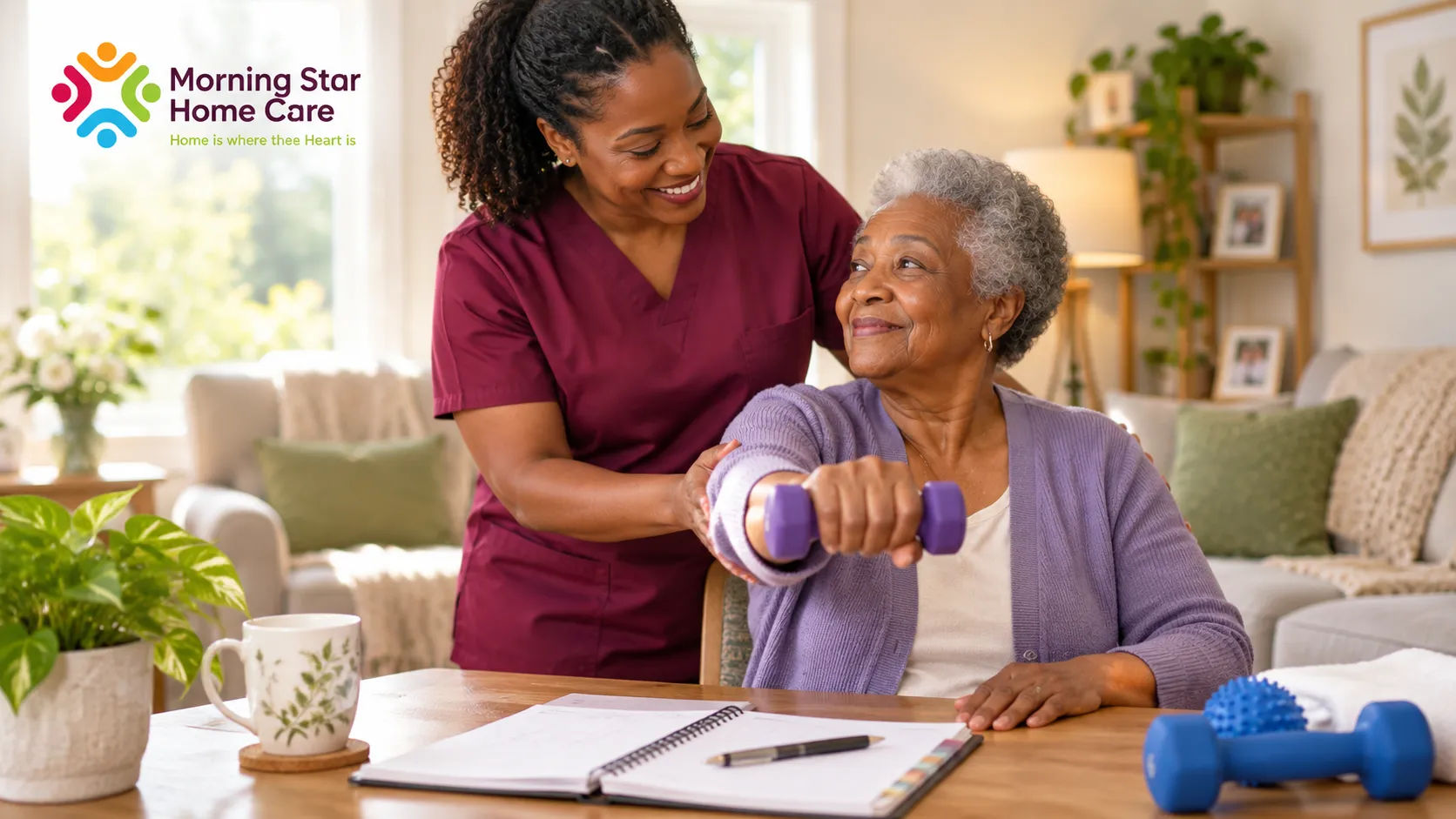
A consistent in-home caregiver can provide meaningful support throughout stroke recovery elderly parents undergo, including help with exercises recommended by therapists between formal sessions, monitoring for warning signs of a second stroke, and providing the steady encouragement that keeps motivation high through a long process. Caregivers can also help maintain the daily routines and consistency that support rehabilitation.
"Having help at home meant Dad actually did his exercises between appointments, not just during them. That consistency made a real difference in how quickly he progressed."
This kind of daily, dedicated support often makes the difference between rehabilitation gains that stall and those that continue building steadily over time.
Beyond exercises, a caregiver's steady presence also reduces the isolation that can accompany a long recovery, offering both companionship and a reliable set of eyes for noticing subtle changes worth mentioning to the care team.
A Final Thought
Stroke recovery elderly parents experience is often slower and more gradual than families expect, but genuine, meaningful improvement remains achievable well into advanced age with consistent rehabilitation and support. Understanding the realistic timeline helps families stay patient and engaged through what can be a long but genuinely rewarding process.
Staying committed to rehabilitation, celebrating incremental progress, and supporting both physical and emotional recovery together give an elderly parent the best possible path forward after a stroke.
No two stroke recoveries look identical, but the combination of consistent effort, professional guidance, and family support consistently produces the best possible results, regardless of a patient’s age at the time of the stroke.
Returning to Daily Activities and Driving
Resuming activities like driving, cooking, or living independently after a stroke requires careful, honest assessment rather than assumption, since stroke effects on vision, reaction time, or judgment aren't always immediately obvious.
- A formal driving evaluation, often offered through rehabilitation hospitals, can objectively assess whether it's safe to resume driving after a stroke.
- Cooking and other tasks involving safety risks should be reassessed by an occupational therapist before resuming independently.
- Return-to-activity decisions often happen gradually, with supervised trial periods before full independence resumes.
Approaching these decisions with the rehabilitation team's guidance, rather than a parent's own sense of readiness alone, helps ensure safety without unnecessarily limiting genuine independence.
A Note for Connecticut Families
Stroke rehabilitation programs, both inpatient and outpatient, are available throughout the Bristol and Greater Hartford area, typically coordinated through a hospital's discharge planning team.
Home care providers familiar with the region can help support daily rehabilitation exercises and provide consistent, attentive care throughout the recovery process.
Local stroke support groups also meet regularly throughout the region, offering both survivors and family caregivers a valuable community of others navigating a similar recovery journey.
References
Written by
Morning Star Home Care
Morning Star Home Care — Caregiver-Founded and Locally Owned in Bristol, CT.