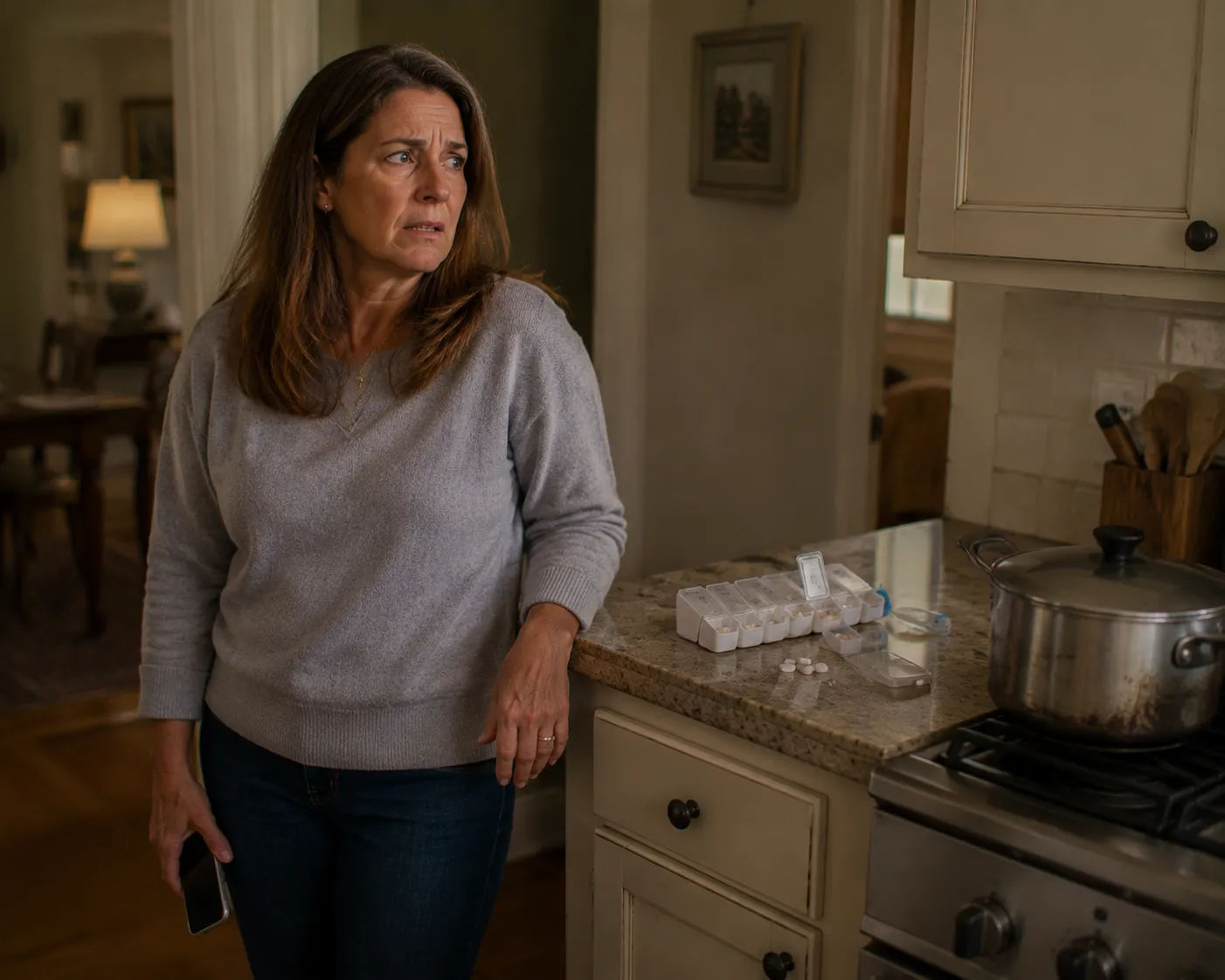
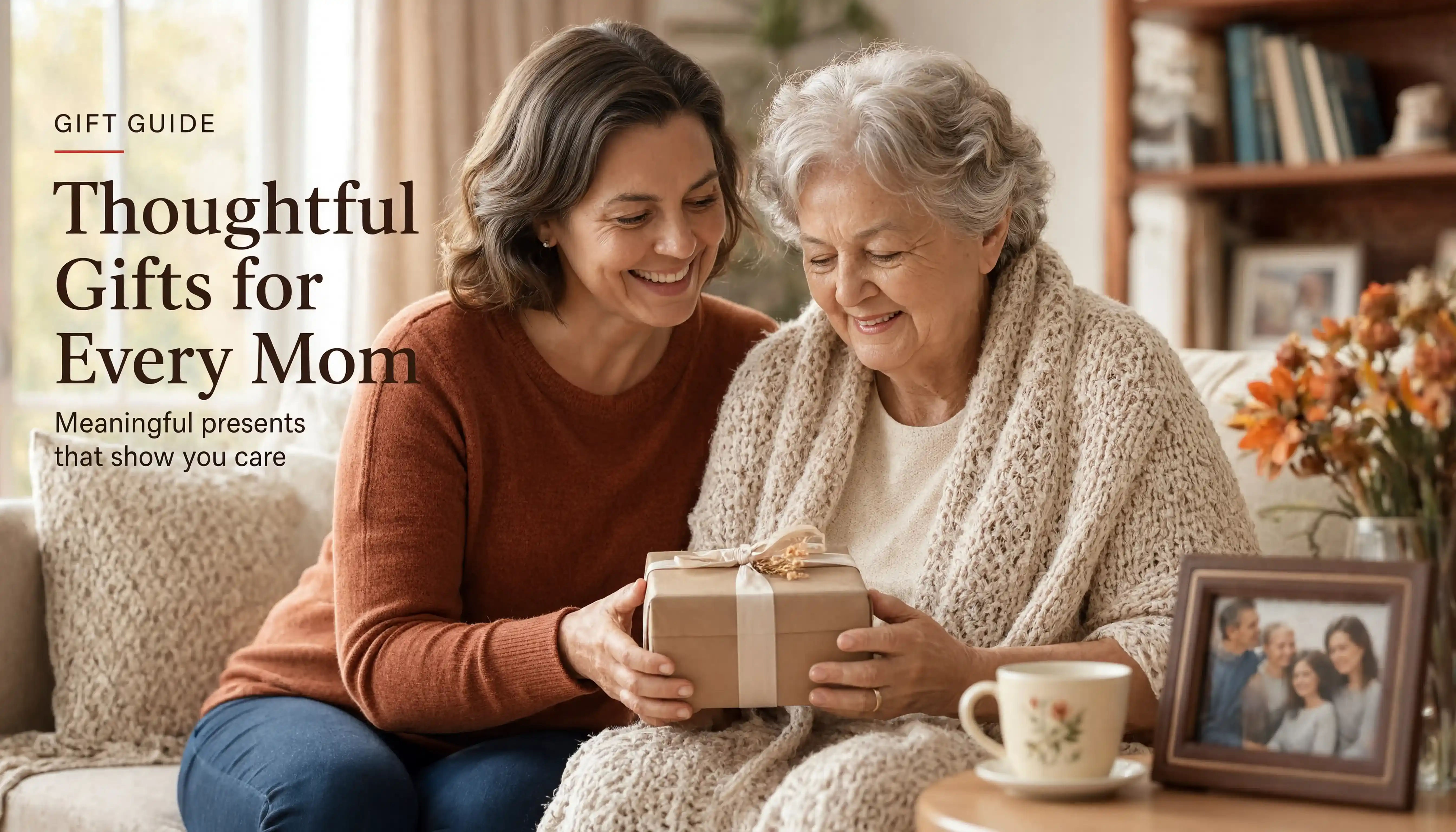
Finding good gifts for elderly loved ones gets harder the longer you've known someone, not easier — the obvious ideas run out, needs change, and what felt thoughtful five years ago might not fit anymore. This guide isn't tied to a single holiday or occasion. It's organized around the kinds of needs and preferences that tend to matter most as people age: comfort, connection, independence, and being seen as more than just "elderly."
Whether you're shopping for a birthday, an unplanned Tuesday, or simply because you want to show someone they're thought of, the categories below apply any time of year. A few themes repeat throughout: practical beats novel, personal beats generic, and gifts that support connection or independence tend to outlast anything purely decorative.
Key Takeaways
- Comfort and practicality tend to win over novelty for most older adults — something used daily beats something admired once.
- Gifts that support connection — video calling tools, photo frames, shared experiences — matter more the more isolated someone has become.
- Framing matters as much as the gift itself — the same item can feel thoughtful or clinical depending on how it's presented.
- Match the gift to current ability, not past habits — a hobby someone loved a decade ago may no longer be physically realistic.
- The gift of time often outlasts any purchased item in what people remember a year later.
Start With Needs, Not Occasions
The most useful shift in how to think about gifts for elderly loved ones is to stop starting with a holiday and start with a need. Instead of asking "what do I get Dad for his birthday," ask what's currently hard for him — getting dressed, staying in touch with grandchildren, remembering to take medication, staying warm at night — and look for a gift that addresses that specific friction point. Gifts chosen this way tend to get used far more often than ones chosen from a generic "gifts for seniors" list.
This doesn't mean every gift needs to solve a problem. Purely joyful, sentimental, or fun gifts matter too. But when you're stuck for ideas, working backward from a real daily need is usually the fastest way to land on something that will actually matter.
Comfort Gifts
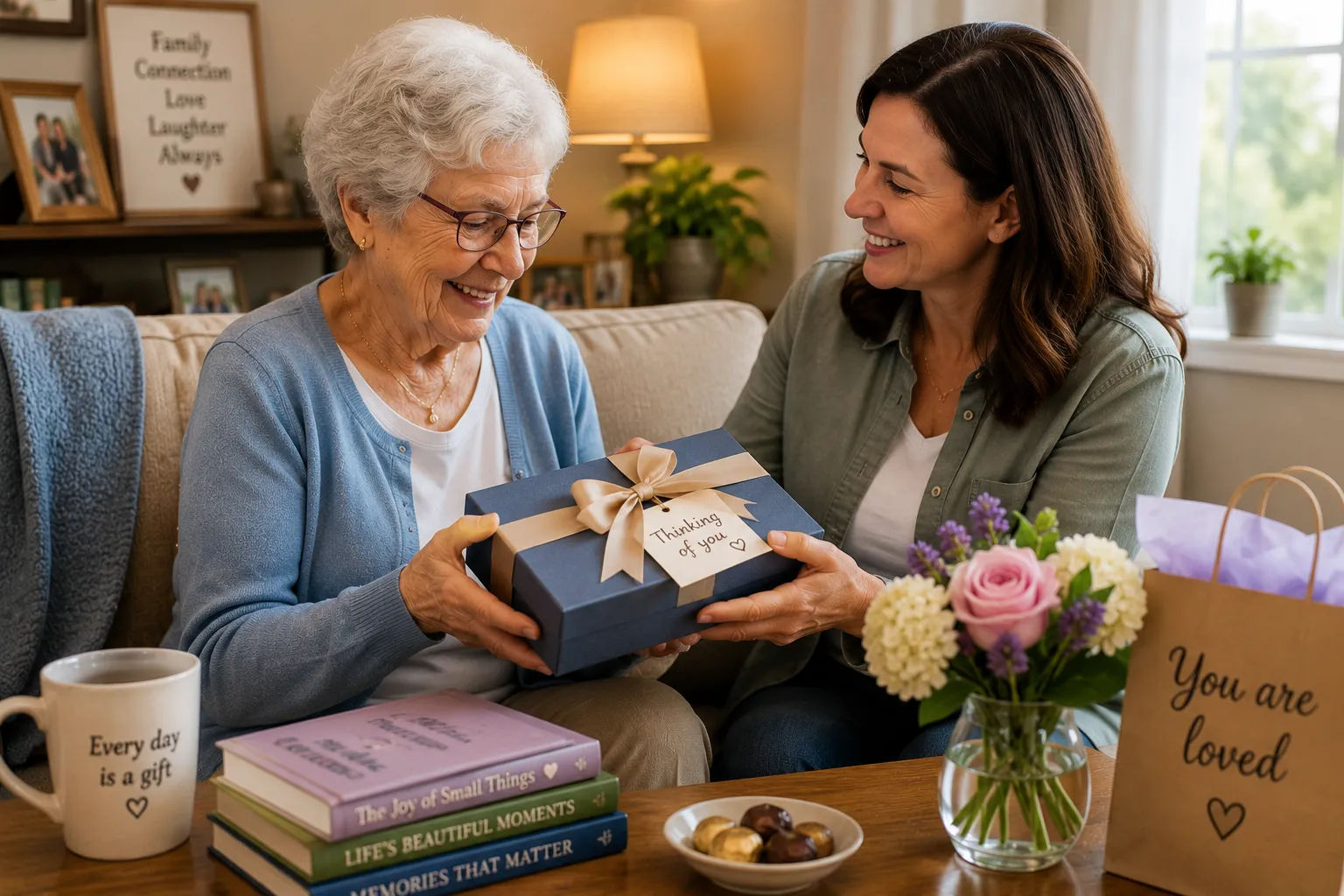
Comfort-focused gifts carry outsized weight for older adults, in part because they're used repeatedly rather than set aside after the excitement of unwrapping fades. A soft blanket, a supportive cushion, or a warm robe gets touched every single day, which means the sentiment behind it gets reinforced constantly rather than fading after the first week.
- A personalized photo blanket featuring grandchildren, a beloved pet, or a favorite family memory.
- A heated throw or lap blanket, especially valuable for someone who feels cold more easily or spends long stretches sitting.
- A supportive reading pillow or wedge cushion for someone who spends time reading or watching TV in bed or a recliner.
- Soft, easy-care loungewear that's simple to put on independently.
Gifts That Support Connection
For an elderly loved one who's seeing fewer people day to day than they used to, gifts that make staying in touch easier often matter more than any physical object. Loneliness among older adults has become enough of a public health concern that the U.S. Surgeon General issued a formal advisory on it in 2023, comparing the health impact of chronic isolation to smoking roughly 15 cigarettes a day. A gift that meaningfully reduces that isolation, even slightly, does real good beyond the moment of giving.
- A digital photo frame that automatically updates with new family photos sent remotely by anyone in the family.
- A simplified tablet or video-calling device designed specifically for older users, with large icons and one-touch calling.
- A subscription to a family photo-sharing app set up and paid for in advance, so it requires no ongoing management on their end.
Dee, Morning Star's founder: "The gifts that seem to matter most to the families I work with aren't the expensive ones — they're the ones that make someone feel included in daily life, not just remembered on holidays."
Practical Gifts That Support Independence
A well-chosen practical gift can extend how long someone manages daily tasks independently, which is worth more to most older adults than almost anything else you could give. The trick is choosing items that solve a genuine problem without drawing attention to a limitation — the same object can land very differently depending on how thoughtfully it's chosen and presented.
- Easy on/off shoes or slippers with good grip, supporting both comfort and fall prevention.
- A stylish, modern cane or walker, since many now come in colors and designs far removed from the old clinical look.
- A medical alert pendant, framed as a gift of peace of mind for the whole family rather than a reminder of vulnerability.
- Large-button phones or amplified hearing devices for someone managing hearing or dexterity changes.
- Adaptive clothing with magnetic or hook-and-loop closures for someone managing arthritis or limited fine motor control.
Subscriptions and Ongoing Gifts
A single gift is enjoyed once. A subscription keeps giving — something to look forward to on a recurring basis, well beyond the day it was given. This category also solves the recurring problem of "what do I get them this time," since a subscription removes the pressure of finding something new every occasion.
| Gift Type | Why It Works |
|---|---|
| Monthly flower or plant subscription | Ongoing joy, low maintenance if a low-care plant is chosen |
| Meal delivery service | Reduces the burden of cooking, supports nutrition |
| Puzzle or hobby subscription box | Engages the mind, gives something to anticipate |
| Audiobook or streaming subscription | Entertainment that doesn't require reading small print |
| Photo book or frame subscription | Ongoing connection to family life and memories |
It's worth choosing subscriptions that don't require ongoing setup or renewal decisions on their part, since the appeal is in the recurring joy, not in adding another task to manage. Setting up billing under your own name or a family account, rather than theirs, prevents this kind of gift from becoming an accidental burden.
The Gift of Time
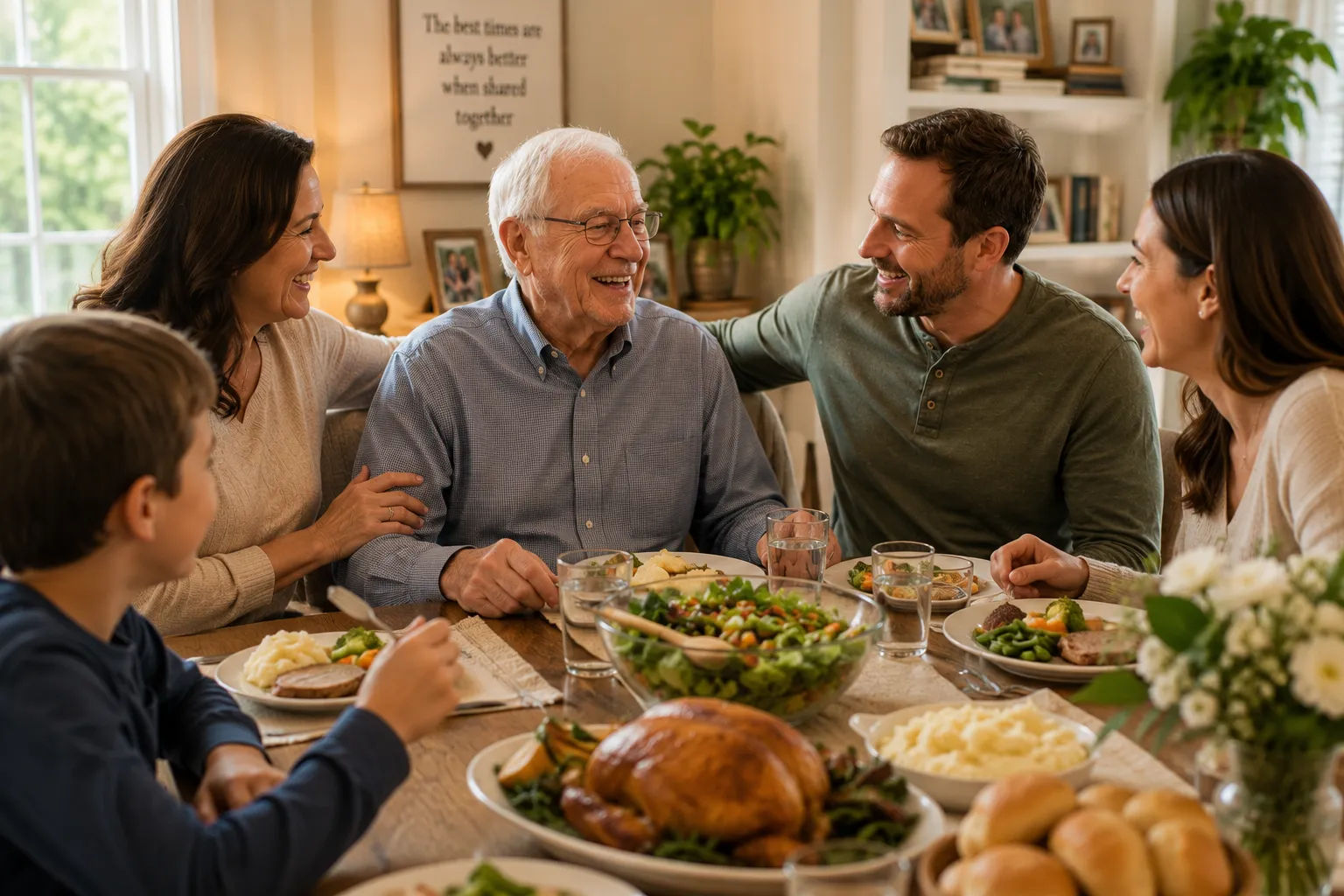
For many older adults, no purchased gift compares to time spent with family — a visit, a shared meal, or an afternoon that isn't tied to an errand or appointment. If distance makes an in-person visit difficult, a scheduled video call set up specifically for the occasion, rather than a quick call squeezed between other tasks, can carry real weight.
"The year I gave my dad a full day — just me, no phone, no errands, just being there — he told me it meant more than any gift I'd given him in years. I felt a little silly not having a 'real' present, but he still brings up that day."
Gifts to Approach Carefully
- Anything requiring significant setup or a steep learning curve — a gift that becomes a source of frustration rather than joy.
- Overly clinical-looking mobility aids when a more discreet or stylish option exists — presentation matters for how a gift is received emotionally.
- Gift cards with no personal thought behind them, which can feel impersonal, even if practical.
- Anything implying reduced capability without sensitivity to how that message lands — framing matters as much as the gift itself.

Involving Grandchildren in the Gift
A handmade card, a recorded video message, or a small craft project from grandchildren often means more to an elderly loved one than a purchased item, especially once grandchildren are old enough to participate meaningfully. Combining a practical gift with something personal from grandchildren tends to strike the best balance between usefulness and sentiment. This is one reason many families find it valuable to keep an ongoing, informal list of ideas throughout the year — noting an offhand comment about wanting new slippers, or admiring a friend's blanket — rather than trying to brainstorm everything fresh right before an occasion arrives.
Gifts Tied to Specific Health Needs
If your loved one has a specific chronic condition or physical limitation, gifts that address it thoughtfully — without drawing unwanted attention to it — can be some of the most genuinely useful presents they receive. A specially designed pillow for back support, a warming pad for joint pain, or an easy-grip utensil set for someone managing arthritis all solve real, daily problems, and can be presented as comfort gifts rather than medical necessities. The key is framing: a gift chosen because "this will make things easier for you" lands very differently than one implying "here's something for your condition." The same object, presented with different language, can feel either thoughtful or clinical.
Personalized and Sentimental Options
For many older adults, gifts tied to memory and family history carry special weight, especially as they spend more time reflecting on family and legacy. A custom recipe book compiling their own recipes in their handwriting, a piece of jewelry incorporating birthstones for each grandchild, or a framed collection of letters written by family members all acknowledge someone's role and history, not just their current stage of life.
- A memory jar filled with handwritten notes describing favorite memories from each family member.
- A custom star map showing the night sky from a meaningful date — a wedding anniversary, a child's birth.
- A recorded oral history — sitting down together to record stories and memories, which becomes a treasured keepsake for the whole family.
Gifts for Different Levels of Ability and Cognitive Health
The right gift depends heavily on someone's current physical and cognitive state, and it's worth choosing with that reality in mind rather than what felt appropriate a few years ago. A loved one who's fully active and sharp may enjoy a challenging new hobby or a book club subscription, while someone experiencing memory changes may find more comfort in simple sensory items — soft textures, familiar scents, and favorite music from their younger years. It's also worth avoiding gifts that could highlight declining ability in an unintentionally painful way — a complicated new gadget for someone struggling with memory, for instance, may create frustration rather than joy, however well-intentioned the gift was.
Budget-Friendly Options That Still Feel Thoughtful
Meaningful gifts don't require significant spending. A handwritten letter describing specific memories and gratitude, a homemade meal in a favorite flavor, or a home-assembled photo album using printed phone photos can carry as much emotional weight as an expensive purchase — sometimes more, because of the visible time and thought invested.
- A jar of handwritten notes, one for each week of the year, each containing a memory or reason you're grateful for them.
- A home-cooked meal featuring a recipe they taught you, made together if they're able, or delivered ready to eat if not.
- A printed and framed photo from a specific meaningful memory, rather than a generic stock frame.
Experience-Based Gifts
Experience gifts have become an increasingly popular category across all age groups — one recent survey found 57% of gift-givers planned to buy an experience-based gift in 2025, up from 55% the year before — and the trend applies just as much to older recipients as to anyone else. For an elderly loved one who's able to get out with some assistance, a scenic drive, a visit to a favorite restaurant from their younger years, or tickets to a show can create a memory that outlasts almost any physical item. For loved ones who prefer to stay home, bringing the experience to them works just as well — a favorite bakery's treats, an at-home spa afternoon with a manicure or foot soak, or a visit from a friend they haven't seen in a while can achieve a similar effect without requiring travel or a full day of activity.
Coordinating With Caregivers for Better Gift Ideas
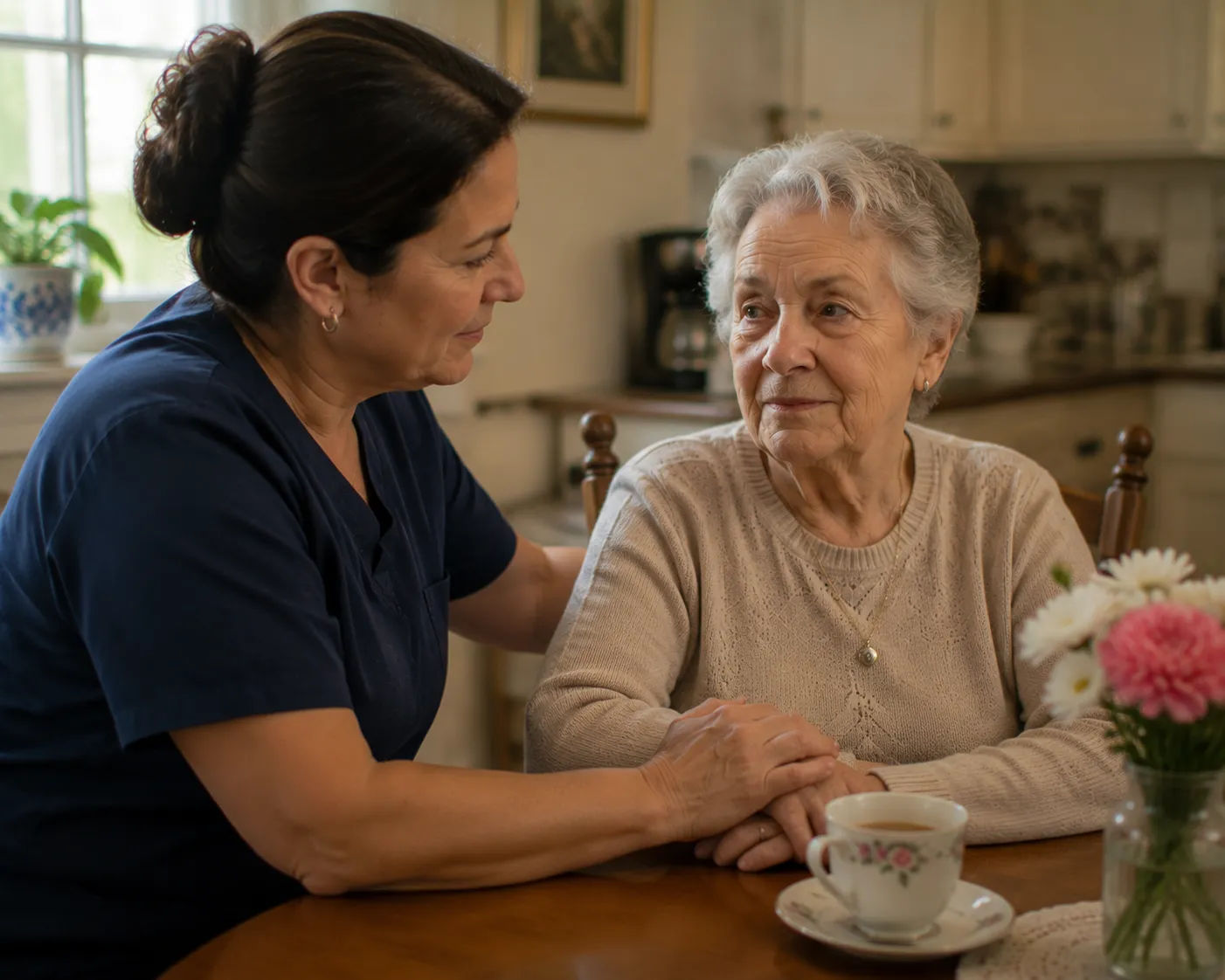
If your loved one receives regular visits from a professional caregiver, that caregiver often has valuable insight into what would genuinely help or delight them — small comforts they've mentioned wanting, activities they enjoy, or specific challenges a thoughtful gift could ease. It's worth asking directly, if appropriate, what the caregiving team has observed.
Dee, Morning Star's founder: "Our caregivers spend real time with clients and often know exactly what would brighten someone's day, right down to a favorite snack or a specific kind of puzzle. Families are always welcome to ask us for gift ideas — we're happy to share what we've noticed."
This kind of insight is one of the quieter benefits of consistent, relationship-based home care — a caregiver who visits the same client regularly builds a genuine understanding of preferences over time, in a way that occasional visitors simply can't replicate.
How Much to Involve Them in Choosing Their Own Gift
For some older adults, being asked directly what they'd like takes the guesswork out and ensures the gift is genuinely wanted. For others, a surprise chosen with real thought feels more special than a requested item. Knowing which type of person your loved one is — someone who appreciates being consulted versus someone who enjoys the surprise — matters more than any specific gift category on this list. A middle-ground approach some families use: ask general questions about interests and comfort throughout the weeks leading up to an occasion, without directly asking what they want, then use those clues to choose something specific.
Gift-Giving Across a Long Distance
When family lives far away, gift logistics get harder, but a few habits make it manageable. Ordering online directly to their address well ahead of time avoids last-minute shipping stress, and scheduling a video call for the actual day, timed around the gift's arrival, recreates some of the shared moment that in-person giving would normally provide. Coordinating with a sibling nearby, or with a caregiver if one is involved, to help set up or explain a gift on delivery day also smooths out anything that requires assembly or instructions. A shared family group chat or simple planning document ahead of a major occasion can prevent the common problem of multiple family members unknowingly buying similar gifts, or nobody covering a category the loved one actually needs.
Gifts That Support the Whole Household
Sometimes the most appreciated gift isn't for the elderly loved one individually, but for the household or living situation as a whole — a grocery delivery credit if a spouse does most of the cooking, a cleaning service gift certificate, or a subscription that benefits whoever they share a home with. These gifts acknowledge that daily life for an aging loved one often involves a spouse or family member also managing more than they used to.
Regifting the Idea, Not the Item, Across Occasions
One overlooked strategy: when a gift idea works well, the underlying concept can often be adapted for a different occasion rather than treated as a one-time solution. A photo blanket given for a birthday might inspire a photo book the following year; a video-calling device given at the holidays might lead naturally to a subscription that keeps the photos on it updated. Treating gift ideas as a reusable toolkit, rather than something to reinvent from scratch every time, takes real pressure off future occasions.
A Real Family Scenario
For her father Walt's birthday, Karen struggled with what to get him — he kept insisting he didn't need anything, and the usual ideas (a sweater, a gift card) felt like they'd sit unused. Instead, she asked his home care aide what he'd mentioned enjoying lately, and learned he'd been talking about an old fishing trip with his own father decades earlier. Karen put together a small framed photo from that trip, alongside a soft blanket for the recliner where he now spent most afternoons. He kept the photo on the side table for months afterward and brought it up in nearly every visit.
Gifts That Double as Safety Improvements
Some of the most quietly valuable gifts for elderly loved ones aren't marketed as gifts at all — they're safety improvements framed as a present. A brighter nightlight for the hallway, a grab bar installed in the shower as a "housewarming" gift, or a non-slip bath mat can meaningfully reduce fall risk while still being wrapped and given the way any other gift would be. Falls remain one of the leading causes of injury among older adults, and a thoughtful safety-focused gift can matter more to long-term wellbeing than almost anything else on this list, even if it isn't the most exciting item to unwrap.
Making Thoughtful Giving a Habit, Not a Once-a-Year Scramble
Some of the best gift ideas for elderly loved ones come from paying attention throughout the year rather than brainstorming under deadline pressure. Keeping a running note on your phone of things a parent or grandparent mentions wanting, admiring, or missing turns gift-giving from an annual scramble into something that feels effortless and genuinely personal when the occasion arrives.
Caregiving professionals who spend regular time with clients often notice small, meaningful details that a family visiting less frequently might overlook — a favorite chair that's become uncomfortable, a treasured item that's gone missing or broken, a hobby quietly abandoned because it's become physically difficult. These small observations, gathered through ongoing relationship rather than a single visit, often point toward the most genuinely useful gift ideas of all.
A Final Thought
The best gifts for elderly loved ones tend to share one thing in common: they show the person is still seen as themselves, not just as someone growing older. A little thought about specific personality, interests, and comfort goes further than anything expensive or elaborate — and the habit of paying attention year-round makes every future gift easier to choose.
References
- U.S. Surgeon General's Advisory on the Healing Effects of Social Connection and Community (2023)
- The Senior List — 2025 Grandparent Spending Report
- A Place for Mom — The Best Gifts for Elderly Loved Ones
This article is for general information and isn't a substitute for medical, legal, or financial advice. If you're concerned about a specific issue, talk to your parent's doctor or an elder law attorney.
Written by
Morning Star Care Team
Morning Star Home Care — Caregiver-Founded and Locally Owned in Bristol, CT.