
Comforting routines and familiar faces through supportAlzheimer’s and dementia
Our caregivers provide patient, non-medical support for people living with Alzheimer’s disease and other forms of dementia. We use familiar routines, calm redirection, meaningful activities and attentive supervision to support comfort, dignity and safety at home.
Screened caregivers with dementia-care training
Alzheimer’s & Dementia Support
Serving Bristol & Greater Hartford
24/7 Care Availability
Compassionate Alzheimer’s and dementia That Feels Like Home
Consistency matters more with dementia than almost anywhere else in care. We assign the same familiar caregivers wherever possible, build routines around what already feels safe, and use calm redirection instead of correction.
- ✓Consistent, familiar caregivers
- ✓Structured daily routines
- ✓Wandering & fall-risk reduction
- ✓Gentle redirection techniques
- ✓Respite for family caregivers
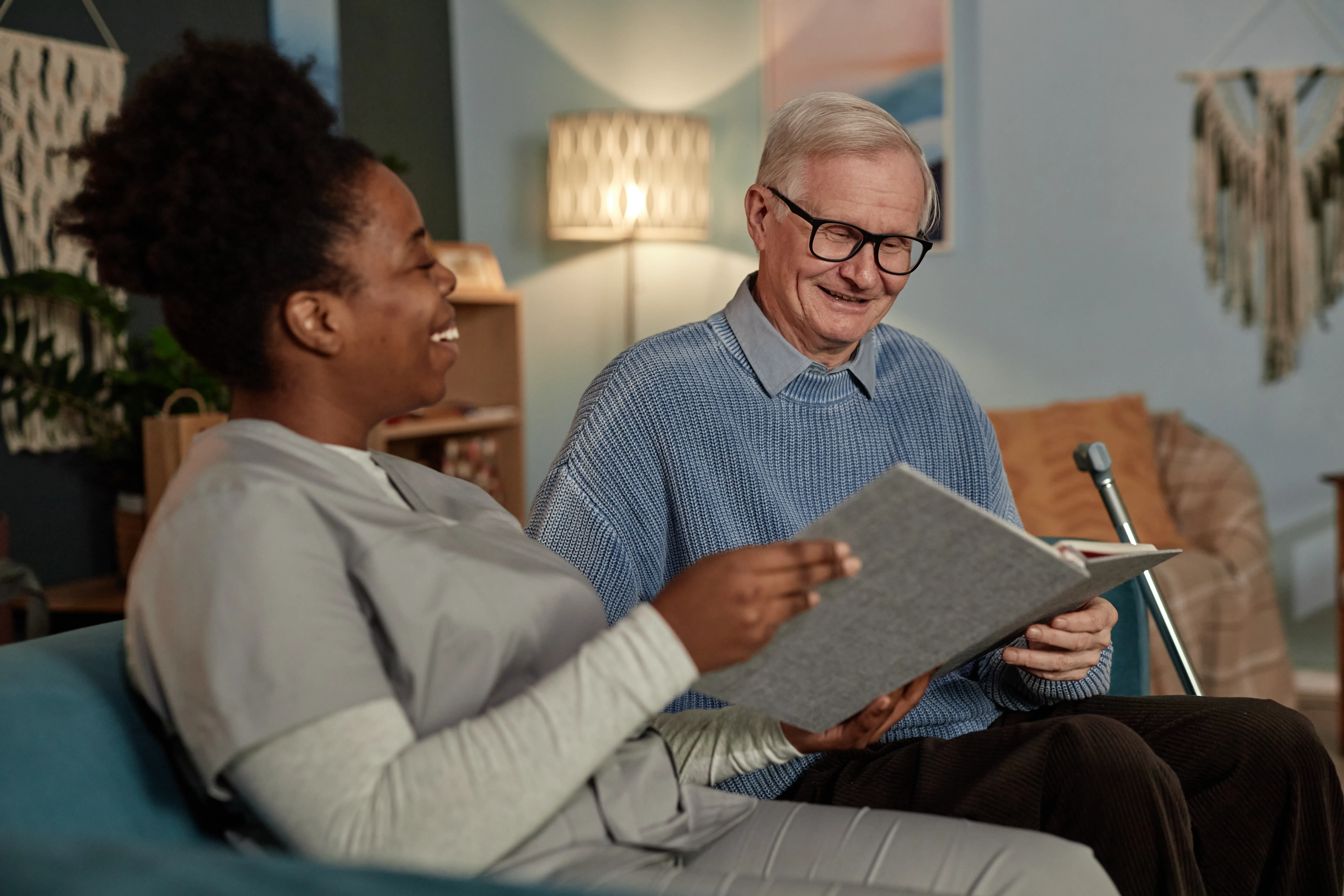
Who Can Benefit From Alzheimer’s and dementia Support?
Early Memory Changes
Support for seniors experiencing mild memory loss or changes in daily routines.
Alzheimer’s Support
Compassionate assistance for individuals living with Alzheimer’s disease.
Dementia Care
Personalized support for seniors needing additional daily assistance.
Family Caregiver Relief
Helping families feel confident and supported.
Everyday Support Designed Around Your Loved One
Morning Routine
- ✓ Personal hygiene
- ✓ Breakfast preparation
- ✓ Medication reminders
Daily Activities
- ✓ Companionship
- ✓ Meals
- ✓ Light housekeeping
Evening Comfort
- ✓ Safety checks
- ✓ Relaxation
- ✓ Bedtime support
Why Families Trust Morning Star Home Care
Compassionate caregivers
Personalized care plans
Family communication
Local Connecticut support
Alzheimer’s and dementia Support Across Connecticut
Common questions
Everything, in plain language.
How do I know when my loved one may need Alzheimer’s or Dementia Support?
Families often consider in-home Alzheimer’s and dementia support when a loved one begins struggling with daily routines, becoming more forgetful, feeling confused, having difficulty staying safe alone, or needing more guidance and reassurance throughout the day.
Can a person with dementia remain at home with the right support?
Yes. Many seniors with memory challenges can continue living comfortably at home with personalized support. Morning Star Home Care helps create a familiar, structured environment where seniors can feel secure while receiving the assistance they need.
How do Morning Star caregivers approach seniors with dementia?
Our caregivers use patience, understanding, and consistency when supporting seniors with dementia. We focus on building trust, honoring personal routines, and providing care in a way that respects each person’s dignity.
What should families expect when caring for someone with memory loss?
Memory changes can affect communication, emotions, and daily activities. Morning Star Home Care helps families by providing dependable support, gentle reminders, companionship, and assistance with everyday needs.
How can familiar surroundings benefit someone with Alzheimer’s or dementia?
A familiar home environment can provide comfort and reduce stress for seniors experiencing memory changes. Staying in a place filled with personal memories and routines can help promote a greater sense of security.
Can caregivers help manage challenging moments related to dementia?
Yes. Our caregivers provide calm reassurance and supportive guidance during moments of confusion, anxiety, or frustration while helping maintain a peaceful and safe home environment.
Does Morning Star Home Care provide support for family members too?
Yes. We understand that dementia affects the entire family. Our care team provides support and reassurance to families by helping share responsibilities and creating a care approach that works for everyone.
What makes personalized dementia care important?
Every person experiences Alzheimer’s and dementia differently. Personalized care allows Morning Star Home Care to adapt support around a senior’s personality, habits, preferences, and changing needs.
Is in-home care a good option for dementia, or is a facility a better choice?
It depends on stage and safety needs. In-home care often works well in early-to-mid stages, especially with a consistent caregiver and a safety-proofed home. Call and we'll talk through your specific situation honestly — including if a facility is genuinely the better call.