Shingles in elderly parents deserves genuine attention, both because it's common and because the risk climbs sharply with age. About 1 in 3 adults will develop shingles at some point in their lifetime, with the highest prevalence occurring in adults 50 and older, and roughly 1 in 10 patients develops complications that can lead to long-term pain and inflammation. Fortunately, the shingles vaccine for seniors offers strong, well-documented protection, and recent research suggests benefits that extend well beyond shingles prevention alone.
This guide covers what causes shingles, why older adults face elevated risk, and why the shingles vaccine for seniors deserves genuine priority.
Key Takeaways
- About 1 in 3 adults develops shingles in their lifetime, with risk climbing sharply after age 50.
- Roughly 1 in 10 shingles patients develops complications, including long-term nerve pain, skin infections, or vision loss.
- The shingles vaccine for seniors is over 90% effective at preventing shingles and its complications in adults 50 and older.
- 2025 research found the vaccine associated with a 50% lower risk of vascular dementia and a 25% lower risk of heart attack or stroke.
- The CDC recommends two doses of Shingrix, separated by 2-6 months, for immunocompetent adults 50 and older.
Understanding both the real risk shingles poses and the genuinely compelling case for vaccination helps families prioritize this often-overlooked preventive step.
What Causes Shingles in Elderly Parents
Shingles in elderly patients is caused by the same virus responsible for chickenpox, reactivating later in life.
- The varicella-zoster virus, which causes chickenpox, remains dormant in the body after a chickenpox infection, sometimes reactivating decades later as shingles.
- Age-related decline in immune function explains why shingles risk increases so significantly after 50.
- Stress, illness, or other factors that weaken the immune system can also trigger reactivation of the dormant virus.
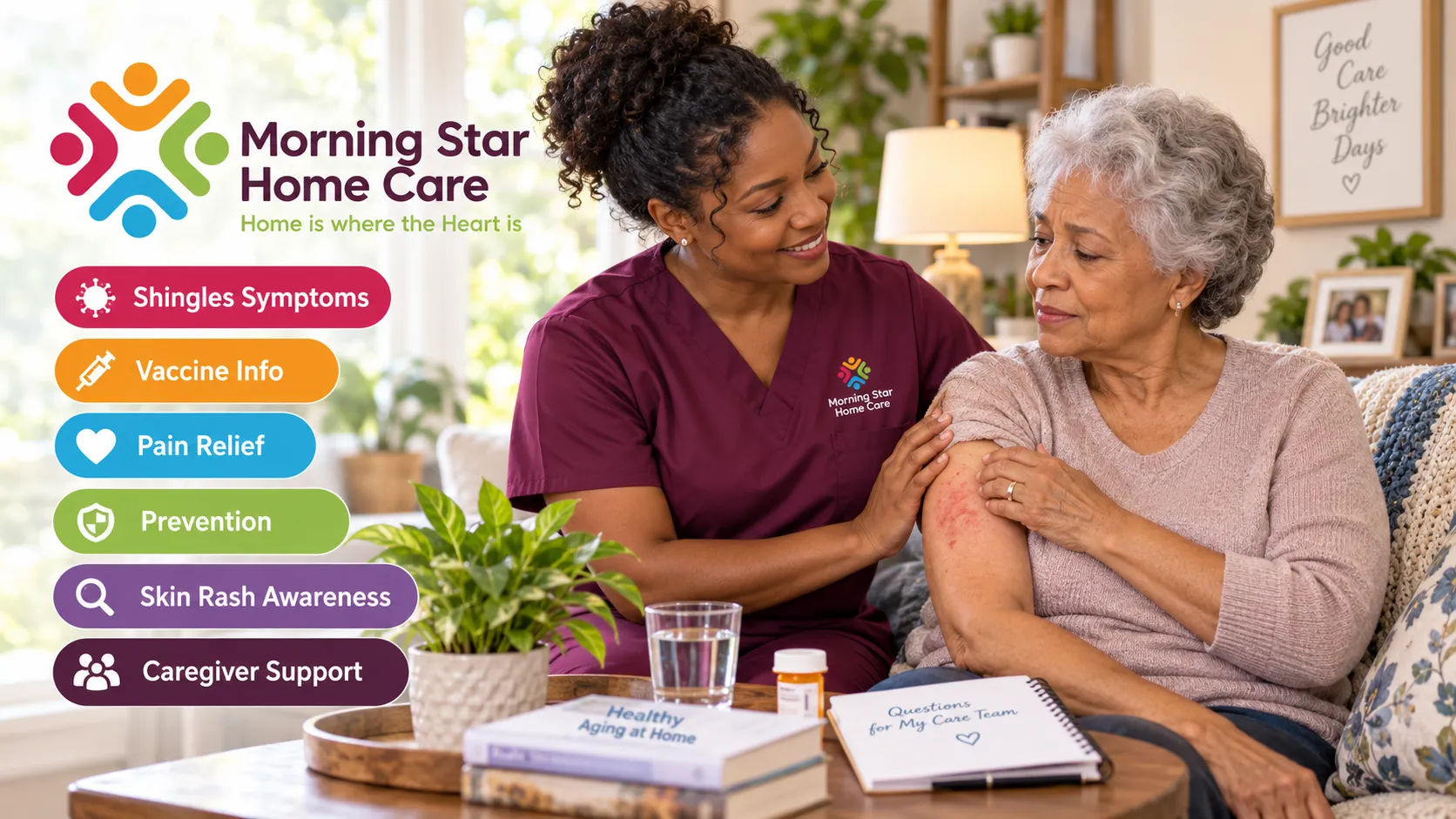
- Shingles typically presents as a painful, blistering rash, usually appearing in a band on one side of the body.
Understanding this connection to a virus most older adults were exposed to decades earlier helps explain why shingles risk is so age-dependent and why vaccination targets this specific population.
The Real Risk of Complications
Beyond the shingles rash itself, the complications it can cause deserve genuine attention, particularly given how significant they can be.
- Postherpetic neuralgia, long-term nerve pain that persists after the rash heals, is the most common complication, affecting a meaningful share of shingles patients.
- Roughly 1 in 10 patients develops complications, which can include long-term pain and inflammation beyond the initial illness.
- Vision loss can occur if shingles affects the area around the eye, a particularly serious potential complication.
- Skin infections and neurologic conditions represent additional, less common but genuine risks.
Dee, Morning Star's founder: "Postherpetic neuralgia is what really worries me most with shingles, that lingering nerve pain can genuinely affect someone's quality of life for months or even longer after the rash itself clears up."
These potential complications, particularly the long-term pain some patients experience, underscore why prevention through vaccination offers such meaningful value.
Recognizing the Symptoms of Shingles
Knowing what shingles looks like helps families recognize it early and seek prompt treatment, which can meaningfully reduce the severity and duration of the illness.
- A painful, tingling, or burning sensation often precedes the visible rash by a few days, sometimes mistaken for another cause of pain.
- A blistering rash that typically appears in a band on one side of the body, following the path of the affected nerve.
- Fever, headache, and fatigue can accompany the rash, particularly in the early stages.
- Sensitivity to touch in the affected area is common, sometimes significant enough to make clothing or bedding contact uncomfortable.
Call the doctor now if: If a parent develops a painful rash, especially near the eye, or shows signs of shingles, contact a doctor promptly. Antiviral treatment is most effective when started within 72 hours of the rash appearing.
Prompt recognition and treatment within this early window genuinely improves outcomes, making awareness of these early symptoms valuable for any family supporting an older parent.
The Shingles Vaccine for Seniors: What to Know
The shingles vaccine for seniors, known as Shingrix, offers strong, well-documented protection against both shingles and its complications.
- Shingrix is over 90% effective at preventing shingles and postherpetic neuralgia in adults 50 and older with healthy immune systems.
- The CDC recommends two doses, separated by 2 to 6 months, for immunocompetent adults 50 and older.
- The vaccine is recommended regardless of prior shingles history, since having had shingles once doesn't prevent future occurrences.
- Side effects are generally mild, though some people experience temporary soreness, fatigue, or muscle aches after vaccination.
Given this strong effectiveness profile, the shingles vaccine for seniors represents one of the more impactful preventive steps available to older adults.
Addressing Common Vaccine Hesitancy
Some older adults hesitate to get the shingles vaccine due to misconceptions or concerns worth addressing directly.
- Mild side effects like soreness or fatigue are common but temporary, and far less significant than the potential impact of shingles itself.
- Some assume they don't need it if they never had chickenpox, though the vast majority of older adults were exposed to the virus even without a clear diagnosed case.
- Cost concerns are often outdated, since the vaccine is typically well-covered by Medicare Part D or supplemental insurance plans.
- A doctor or pharmacist can address any specific concerns a parent has directly, which often resolves hesitancy more effectively than general reassurance from family.
Addressing these specific concerns directly, rather than simply insisting vaccination is important, tends to be more effective in helping a hesitant parent move forward with getting vaccinated.
Managing Shingles Once It Develops
If a parent already has shingles, prompt, appropriate care makes a real difference in both comfort and recovery.
- Antiviral medications work best started within 72 hours of the rash appearing, so contacting a doctor quickly matters even before a diagnosis is confirmed.
- Pain management may include over-the-counter or prescription options, depending on severity, and should be discussed directly with a physician.
- Keeping the rash clean and covered helps prevent spreading the virus to others who haven't had chickenpox or the vaccine.
- Cool compresses and loose clothing can ease discomfort in the affected area during the acute phase.
"When my mother had shingles, the pain caught us both off guard, we hadn't realized how uncomfortable it could be even with antiviral medication working as it should."
Understanding what active treatment involves helps families support a parent through the acute phase of illness while awaiting recovery.
A Surprising 2025 Finding: Benefits Beyond Shingles Prevention
Recent 2025 research has revealed additional, genuinely striking benefits associated with the shingles vaccine that extend well beyond shingles prevention alone.
- A 50% lower risk of vascular dementia was found among adults who received the shingles vaccine, a substantial and unexpected association.
- A 27% lower risk of blood clots and a 25% lower risk of heart attack or stroke were also associated with vaccination.
- A 21% lower risk of death overall was observed among vaccinated adults in this research.
- Researchers believe this may relate to reduced inflammation from preventing shingles, since shingles itself has been linked to increased cardiovascular and cognitive risk.
While more research will continue to clarify these connections, this emerging evidence adds a compelling additional reason for older adults to prioritize the shingles vaccine.
A Real Family Scenario
Ruth had put off getting the shingles vaccine for years, assuming it wasn't a priority since she'd never had shingles before, until her daughter Karen shared the 2025 research on its broader cardiovascular and cognitive benefits. Ruth completed both doses that year, and while there's no way to know what specific illnesses were prevented, Karen felt genuinely reassured knowing her mother had taken this well-supported preventive step.
Ruth's situation reflects how many older adults deprioritize the shingles vaccine simply due to lack of awareness, when it actually offers some of the strongest preventive benefit available for this age group.
How an In-Home Caregiver Supports Shingles Prevention and Care
A consistent in-home caregiver can help ensure an elderly parent stays current on their shingles vaccination, and if shingles does develop, can provide valuable support managing the discomfort and monitoring for signs of complications that warrant prompt medical attention.
"Having someone remind Mom about her second vaccine dose, and just help coordinate the appointment, made sure it actually got done instead of falling through the cracks."
This kind of practical, consistent support helps ensure important preventive steps like shingles vaccination don't get overlooked amid a parent's other health priorities.
A Final Thought
Shingles in elderly parents represents a genuine, age-related risk, but one that's substantially preventable through vaccination. The shingles vaccine for seniors offers strong protection against a painful illness and its potential complications, with emerging research suggesting benefits that may extend to cardiovascular and cognitive health as well.
Confirming whether a parent is up to date on their shingles vaccination is a simple, concrete step that offers genuinely meaningful protective value.
A Note for Connecticut Families
Pharmacies and primary care practices throughout the Bristol and Greater Hartford area widely offer the shingles vaccine, typically covered by Medicare Part D or supplemental plans.
Home care providers familiar with the region can help coordinate vaccination appointments and monitor for shingles symptoms if they do develop.
References
Written by
Morning Star Care Team
Morning Star Home Care — Caregiver-Founded and Locally Owned in Bristol, CT.